
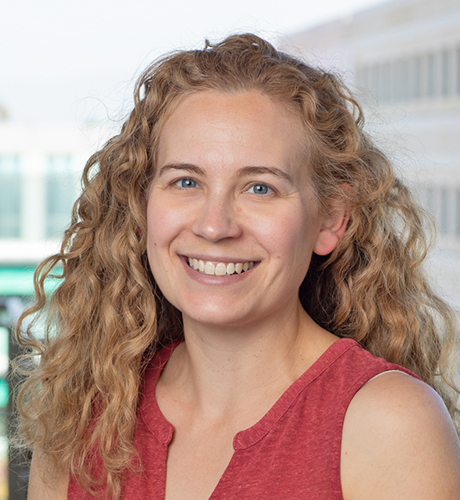
Spring 2026
In this talk, Elizabeth will discuss some of her recent work and current experiments that centers on how individuals differ in their spatial abilities, which includes their exploration behavior and aspects of brain structure and function, as well as sex and age.
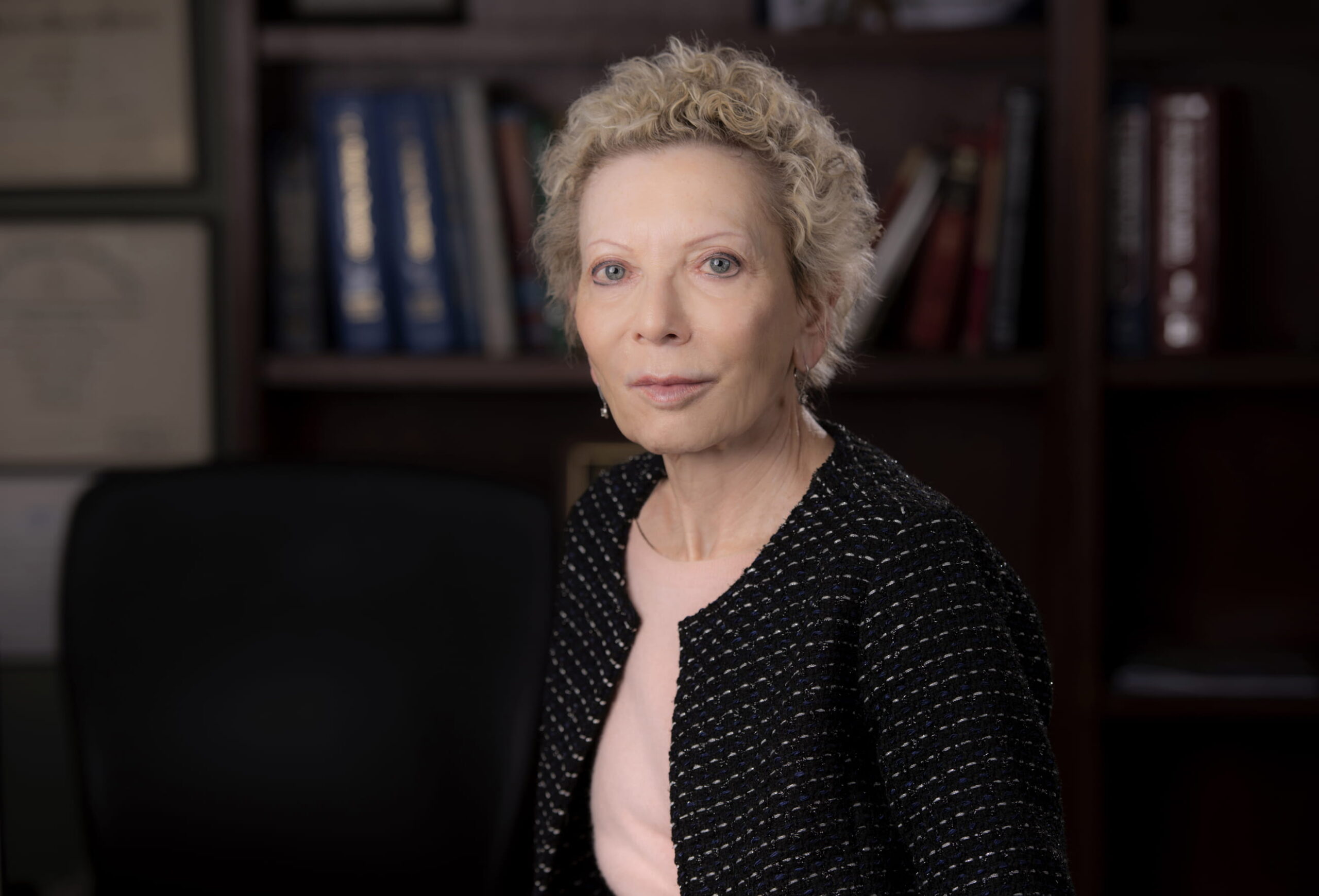
Winter 2026
Dr. Baram shares insights from her pioneering research on how early-life experiences — including adversity during sensitive developmental periods — can shape brain development and influence lifelong cognitive and emotional health.
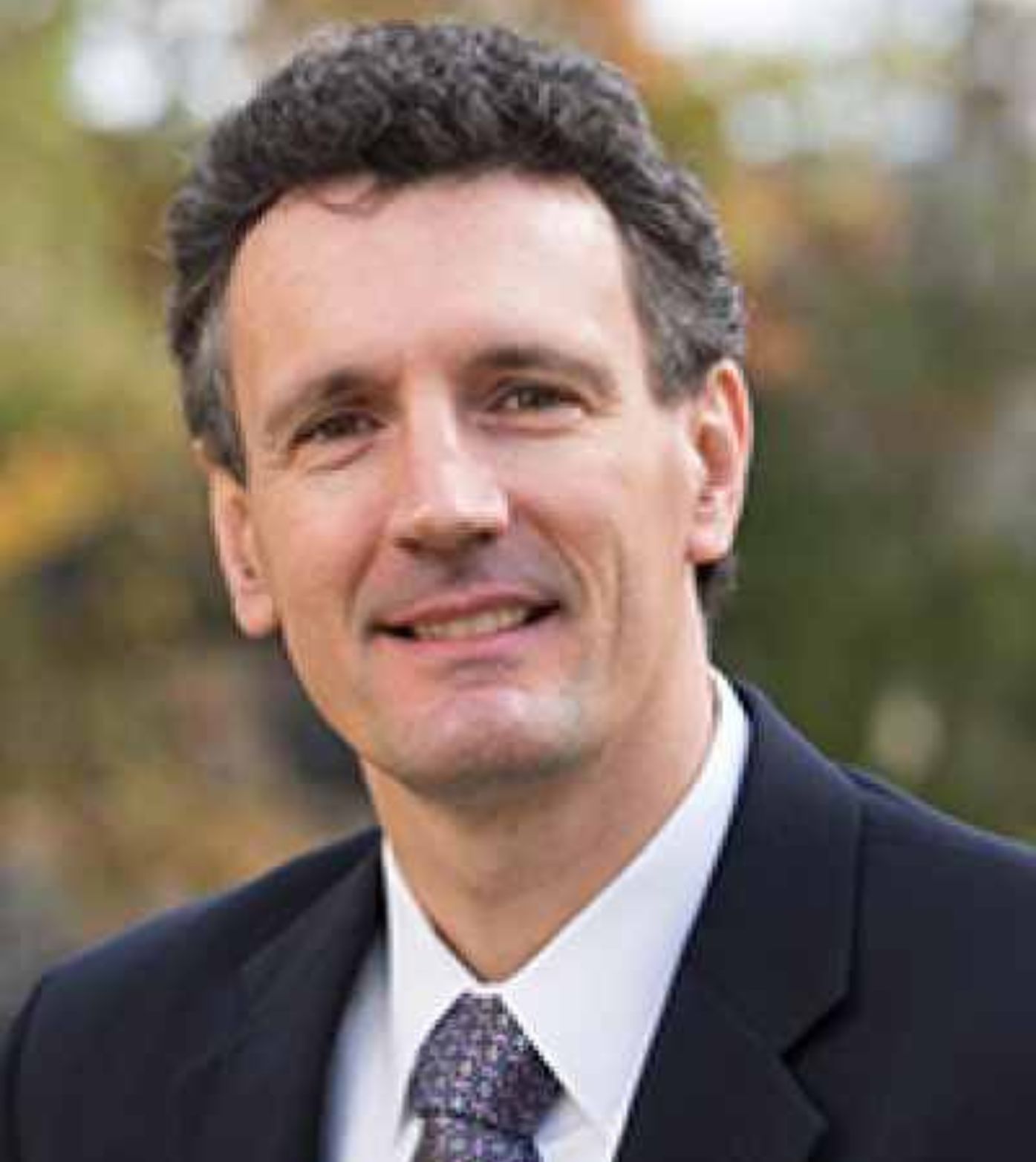
Winter 2025
Dr. Pizzagalli highlights how recent advances in brain research are helping us identify risk factors, improve treatments, and develop biomarkers to personalize care for individuals suffering from depression.
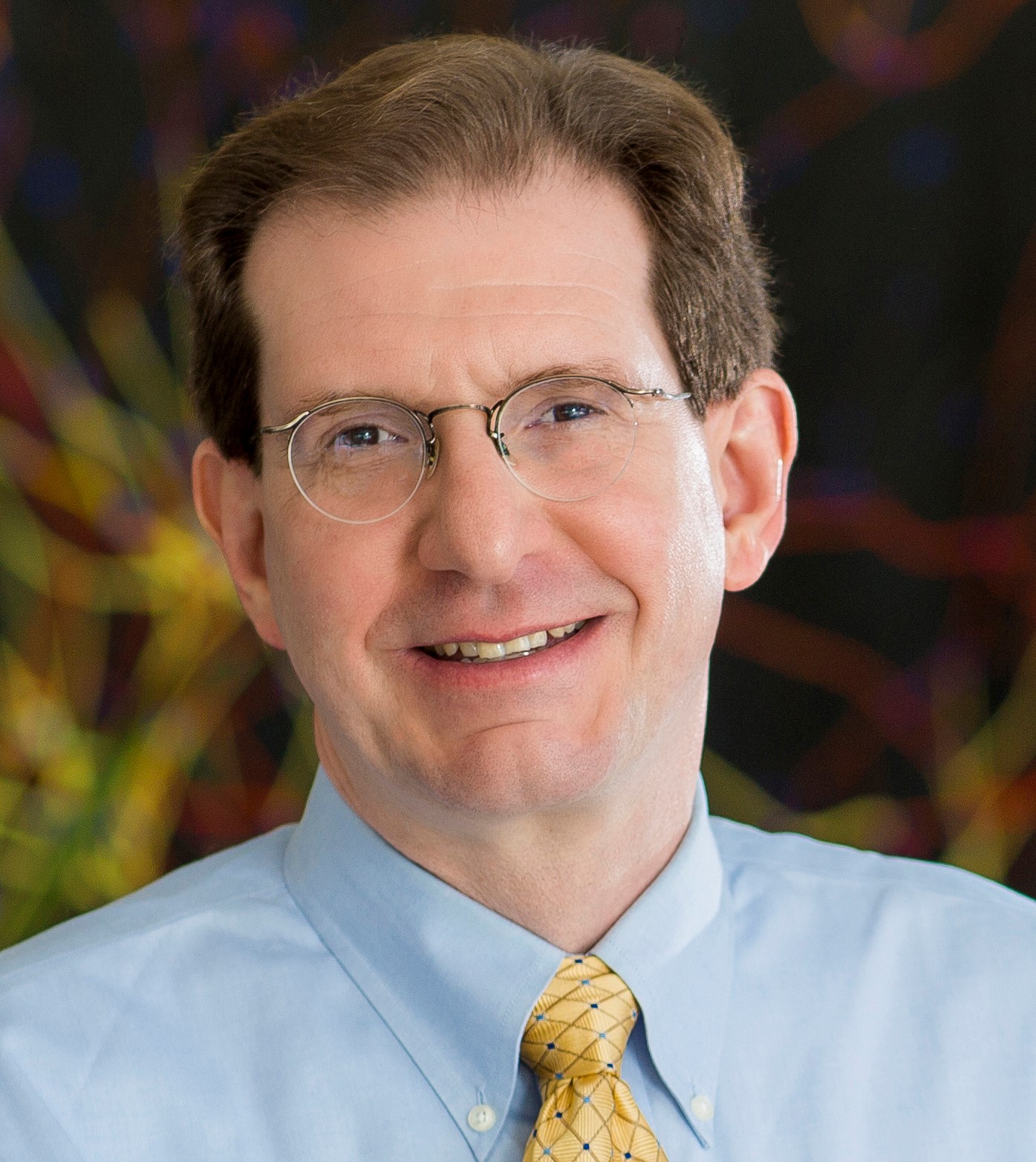
Fall 2024
Distinguished Professor La Spada is a renowned researcher whose work focuses on understanding and treating neurodegenerative diseases such as Alzheimer’s, Parkinson’s and ALS.
Spring 2024
The mysterious beauty of butterflies has dazzled us from ancient times to modern. What makes them beautiful is partly in the eye of the beholder. Join Professor Briscoe on a scientific tour of the role that visual senses play in ecosystems and the surprising sensory world inhabited by these enchanting insects.
Winter 2024
This lecture discussed how structural biology provides the required information for designing specific therapeutic agents and will present a few specific examples of potential drugs designed here at UCI targeting neurodegenerative diseases and melanoma. In addition, included was an example of a UCI industrial collaboration that led to important insights into how certain HIV antiviral drugs work.
Fall 2023
This lecture described how natural compounds found in yeast and humans might be leveraged to set up roadblocks that kill drug-resistant tumor cells, tame the obesity epidemic, and help deliver next-generation DNA and RNA medicines.
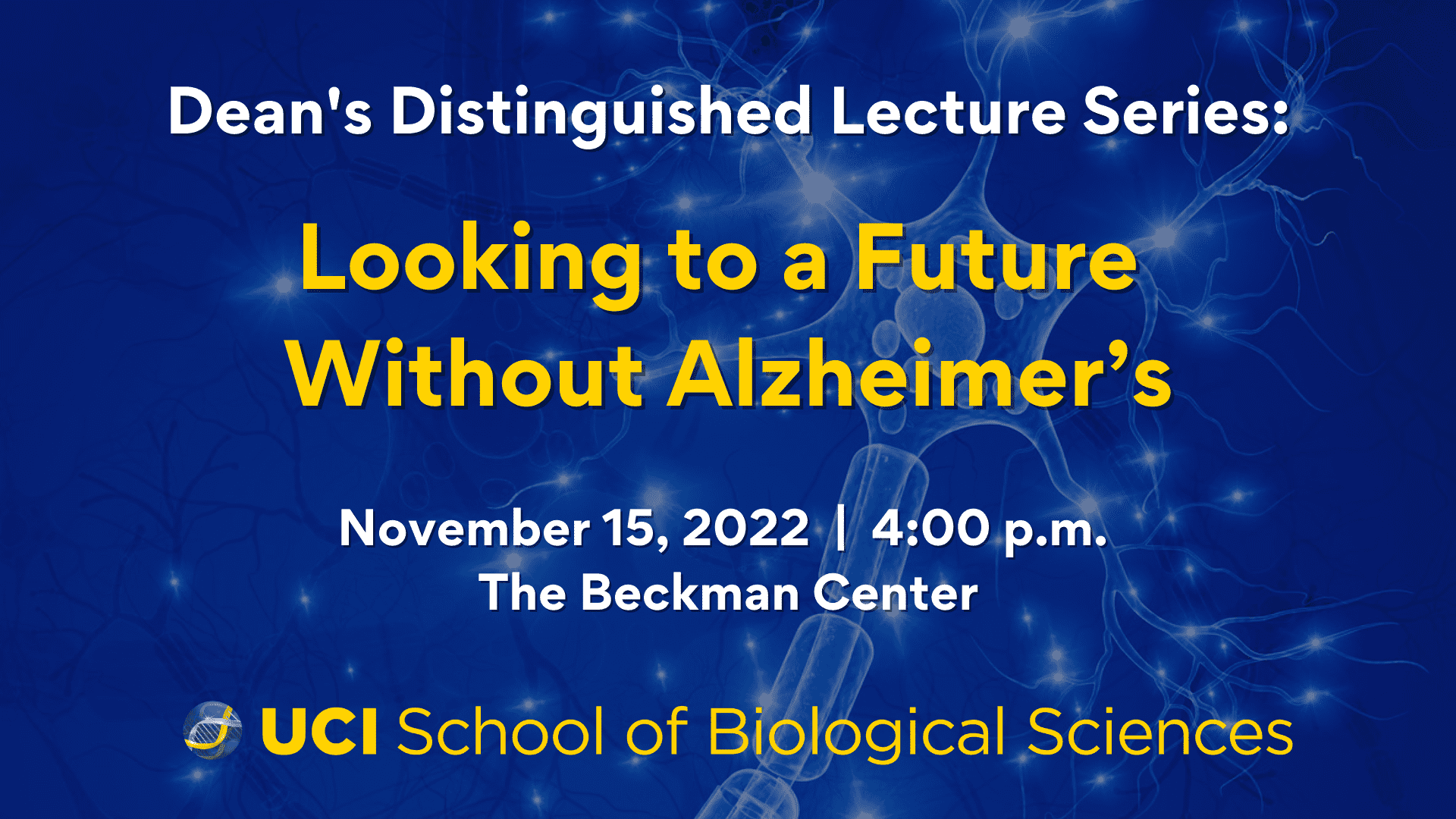
Fall 2022
Dean’s Distinguished Lecture panel discussion on Alzheimer’s disease from Nov. 15, 2022. It has been known that the disease is becoming a major health crisis that is projected to become even larger in the coming decades. To prepare for the severity of the crisis, we must focus on how to mitigate such shortcomings. The lecture was opened by none other than Dean Frank LaFerla, PhD with an overview of the state of Alzheimer’s research, followed by Joshua Grill, PhD; David Sultzer, MD; and Deborah Levy, on the emerging trends in research, care and the upcoming challenges we face.RNA medicines.

Winter 2021
Dean’s Distinguished Lecture panel discussion on Alzheimer’s disease from Nov. 15, 2022. It has been known that the disease is becoming a major health crisis that is projected to become even larger in the coming decades. To prepare for the severity of the crisis, we must focus on how to mitigate such shortcomings.
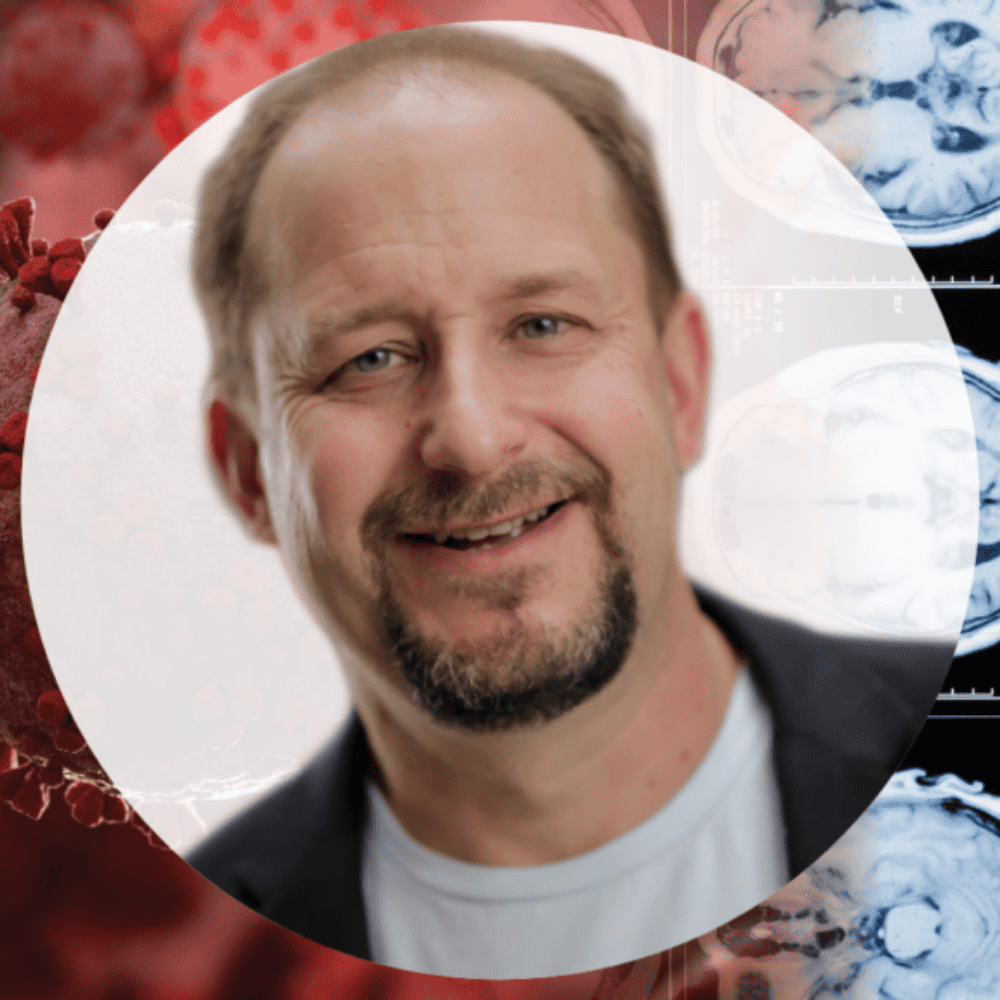
Fall 2020
Dean’s Distinguished Lecture panel discussion on research, new strains, testing, neurological challenges and vaccines featuring: Michael J. Buchmeier, PhD, John Gerace, Thomas E. Lane, PhD, Ilhem Messaoudi, PhD, and Andrew Noymer, PhD. Moderated by Dunlop School Dean Frank M. LaFerla, PhD.
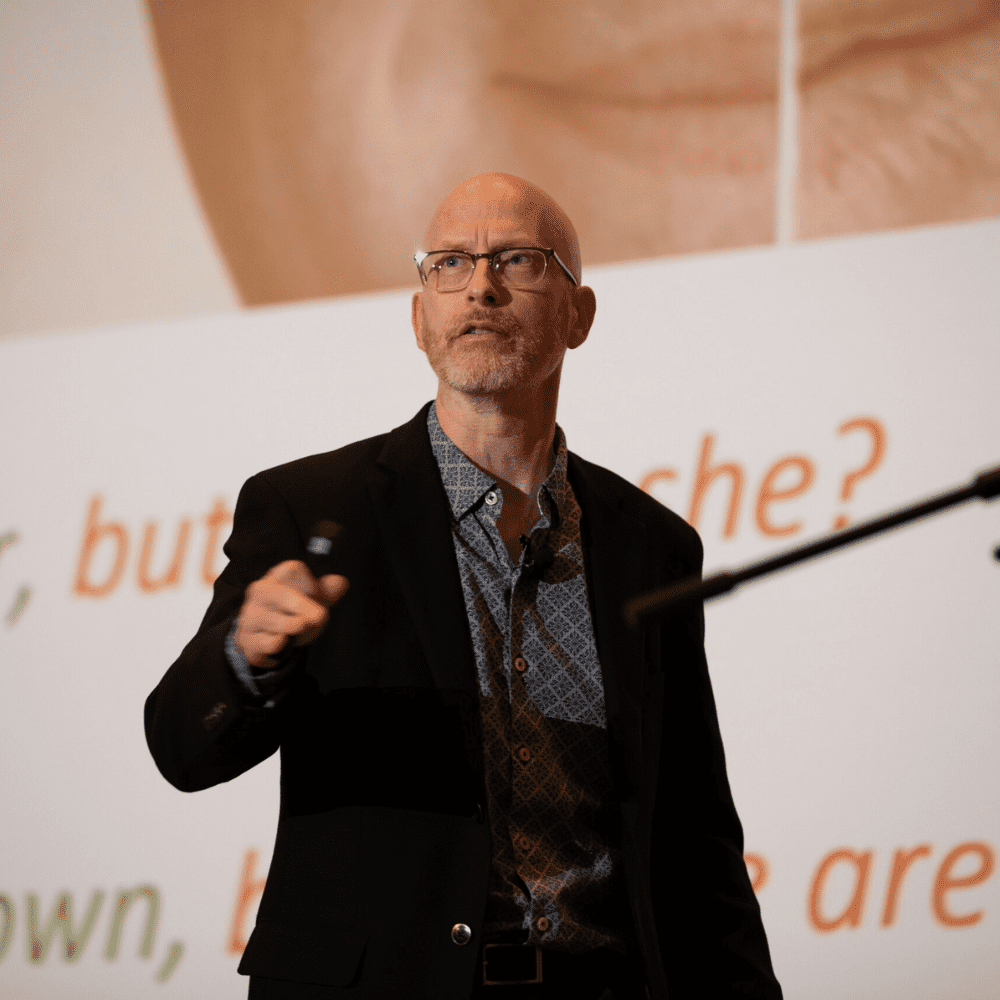
Winter 2020
Craig Stark, PhD, is a professor of neurobiology and behavior at Dunlop School. Dr. Stark’s research investigates the neural bases of human long-term memory.
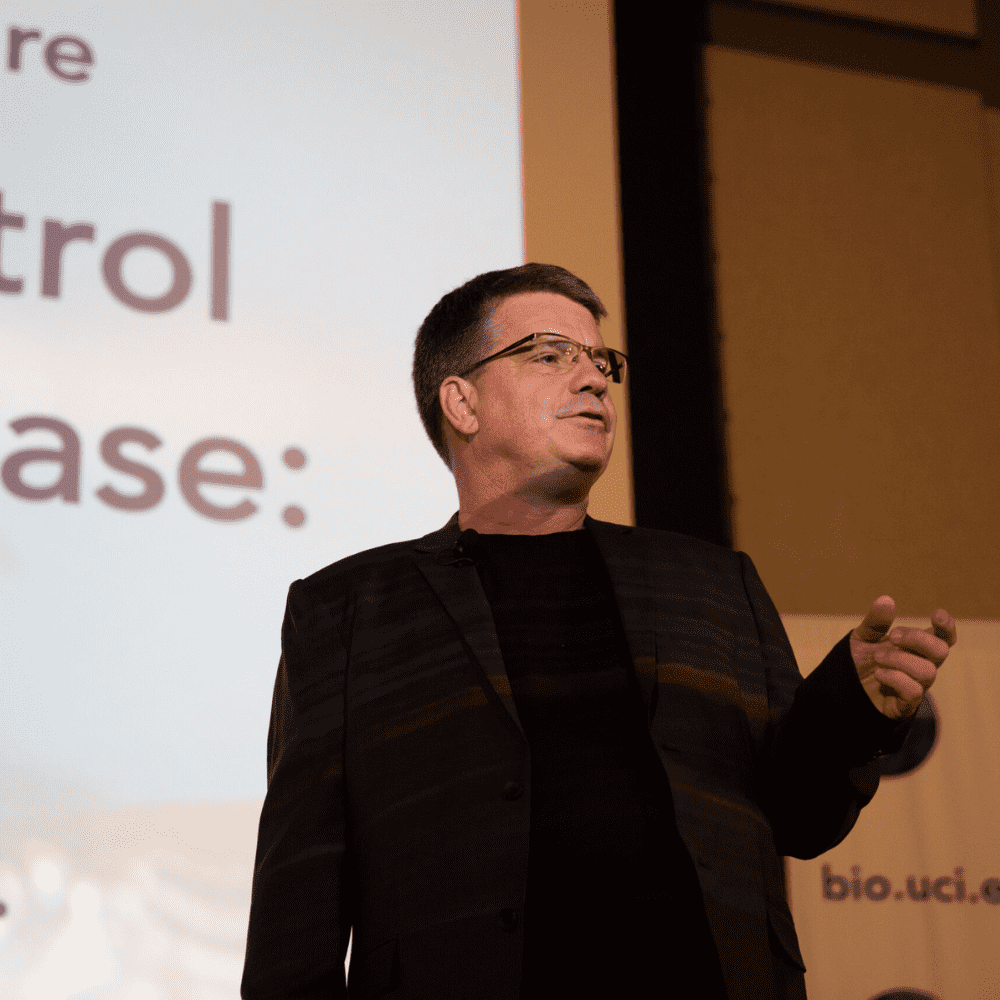
Winter 2020
Professor Thomas Schilling, Chair and Professor in the Department of Developmental and Cell Biology, tells us about the zebrafish, a small freshwater fish, which has emerged as a powerful new gene discovery and disease model system.
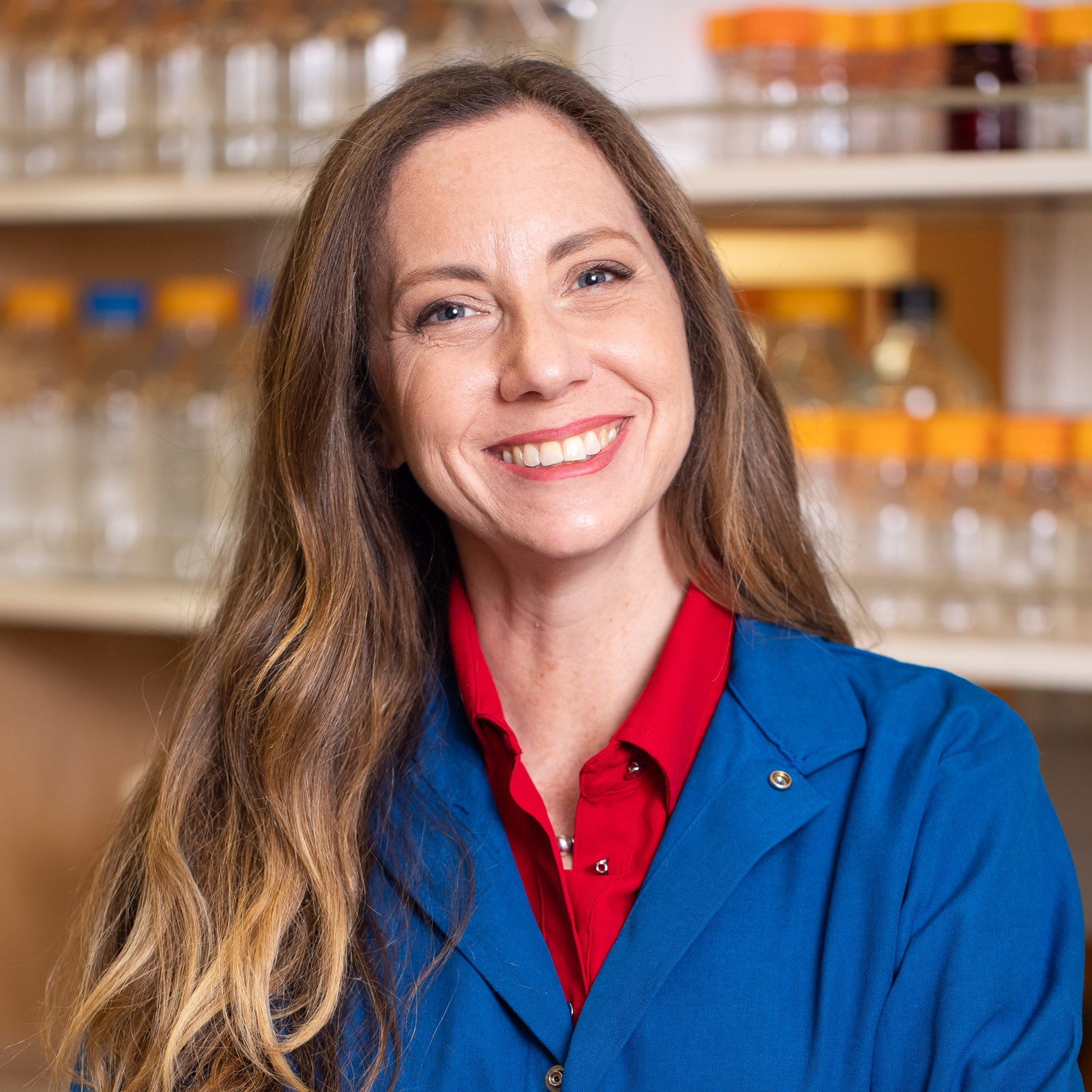
Spring 2019
Valley fever has recently become a “silent epidemic” in Central California, Arizona, and other areas with hot and dry climates. Could climate change help valley fever fungi move to new places like Southern California? Professor Kathleen Treseder (Ecology and Evolutionary Biology) is studying the link between valley fever fungi and climate.
Winter 2019
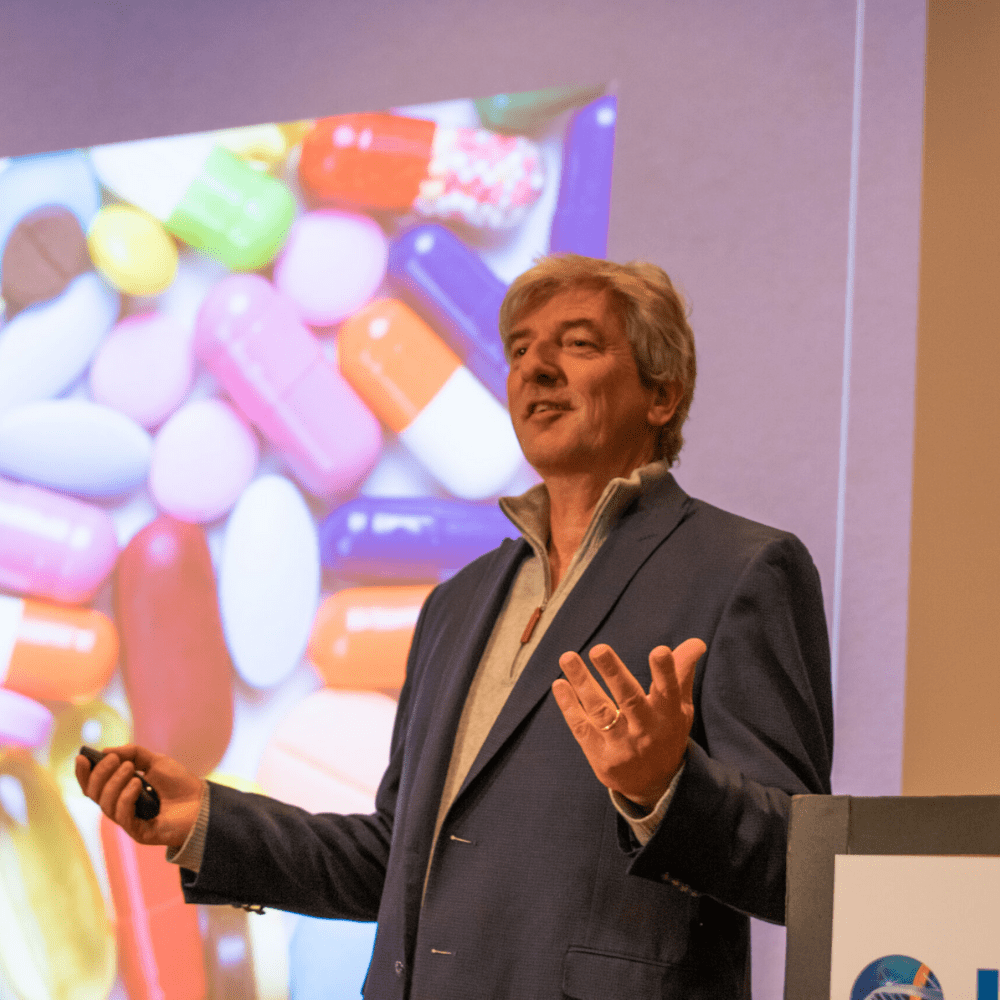
Christopher Hughes, Chair and Professor of the Department of Molecular Biology and Biochemistry, describes the development of his body-on-a-chip technology which creates three-dimensional ‘mini-organs’ that could help develop better drugs on an individual basis.
Fall 2018
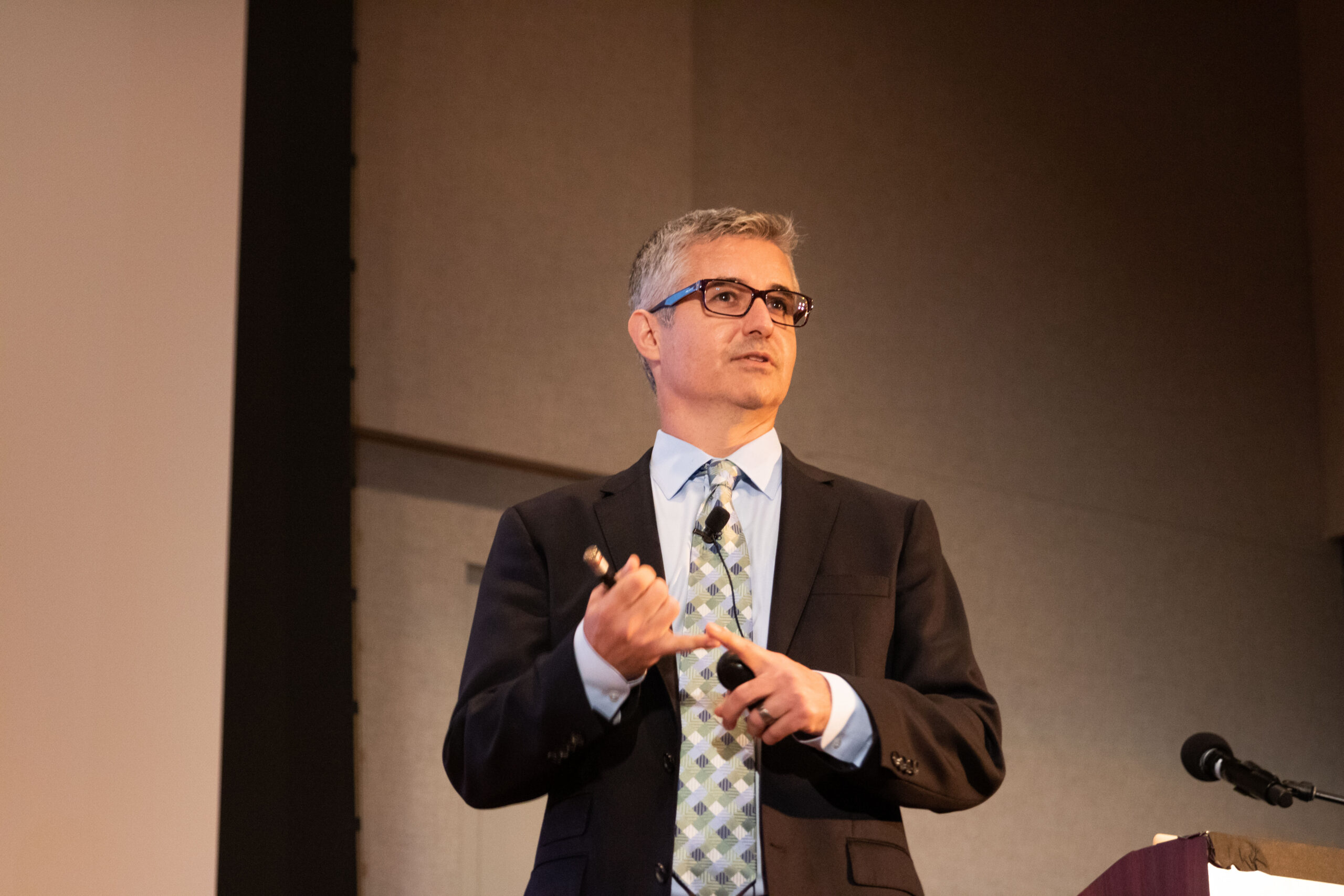
Dean’s Distinguished Lecture Series – Dr. Marcelo Wood.
Spring 2018
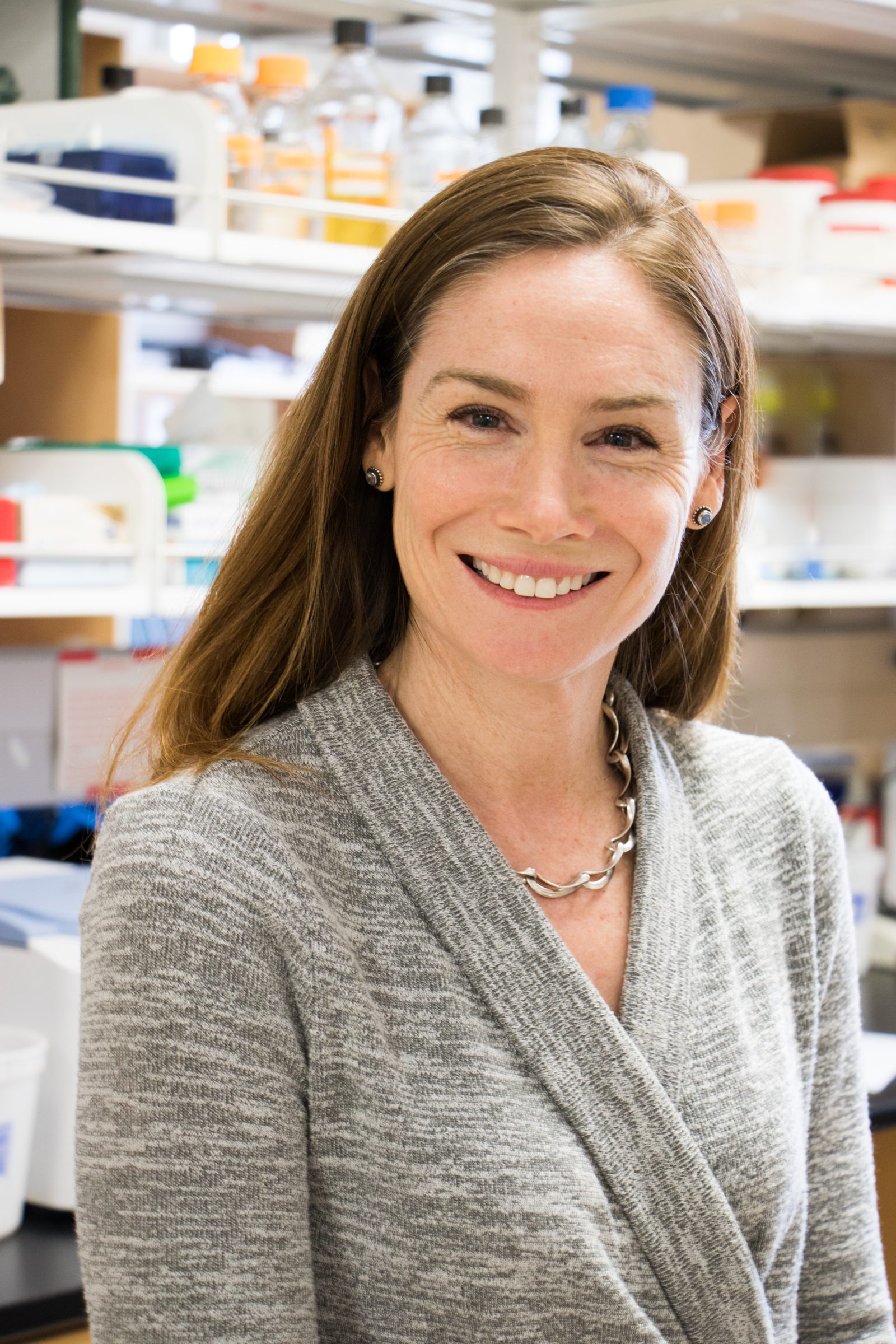
Dean’s Distinguished Lecture Series – Dr. Jennifer Martiny.
Additional Speakers
To view all previous Lecture presentations, visit UCI Media
Charles L.M. Dunlop
Richard A. Van Etten, MD, PhD
Peter J. Donovan, PhD
Ian Parker, PhD, FRS
Claudia Kawas, MD
James W. Hicks, PhD
Charles G. Glabe, PhD
Arthur D. Lander, MD, PhD
Leslie M. Thompson, PhD
John C. Avise, PhD
John O’Keefe, PhD
Susan V. Bryant, PhD
Anthony A. James, PhD
James L. McGaugh, PhD