
The UC Irvine Charlie Dunlop School of Biological Sciences has four departments to reflect different concepts of MIND | BODY |WORLD within the Biological Sciences. Each department ranks in the top 20 percent or higher of national institutions according to National Research Council data.
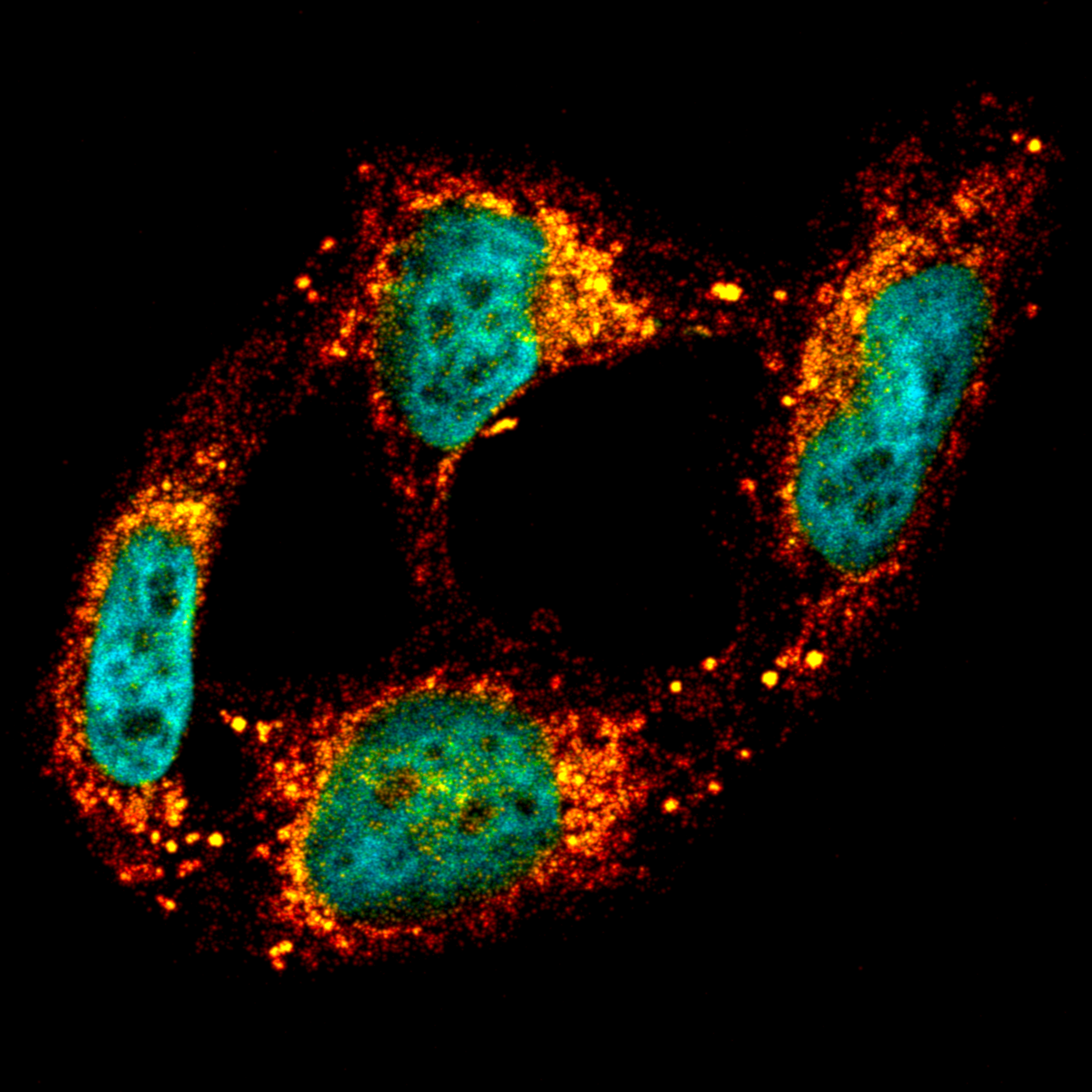
Developmental and Cell Biology
Research in the Department of Developmental and Cell Biology seeks to understand the mechanisms that govern how cells function, communicate, grow, and organize to form complex organisms. Faculty investigate biological processes across scales, from molecules and individual cells to tissues and organisms. Our research spans a broad range of topics from cell signaling and gene regulation, to stem cell biology, regeneration, and cancer cell biology. The department fosters interdisciplinary collaboration, trains the next generation of scientists, and advances STEM education. Its overarching goal is to generate discoveries that deepen our understanding of life, development, disease, and regenerative processes.
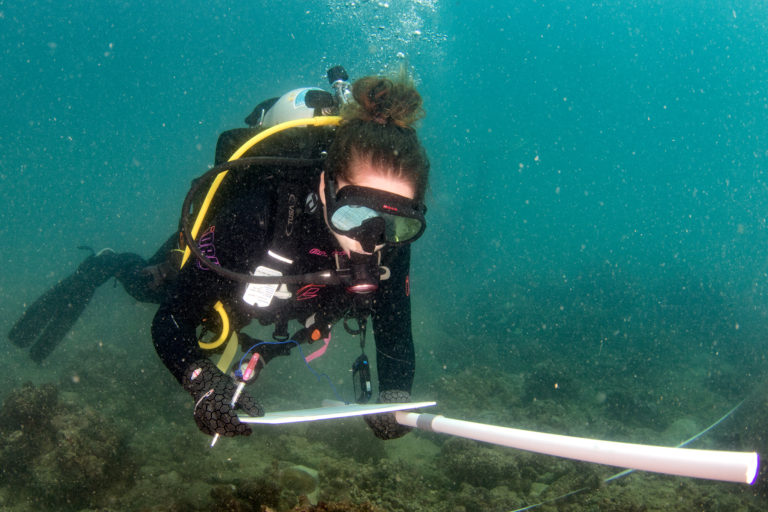
Ecology and Evolutionary Biology
Ecology and evolutionary biology deals with the establishment of adaptations over evolutionary time and with the organismal function in ecological time. Faculty in the Department of Ecology and Evolutionary Biology study questions pertinent at a variety of levels of biological organization, from molecular aspects of evolution, to organismal structure and performance, to the ecology of ocean ecosystems.
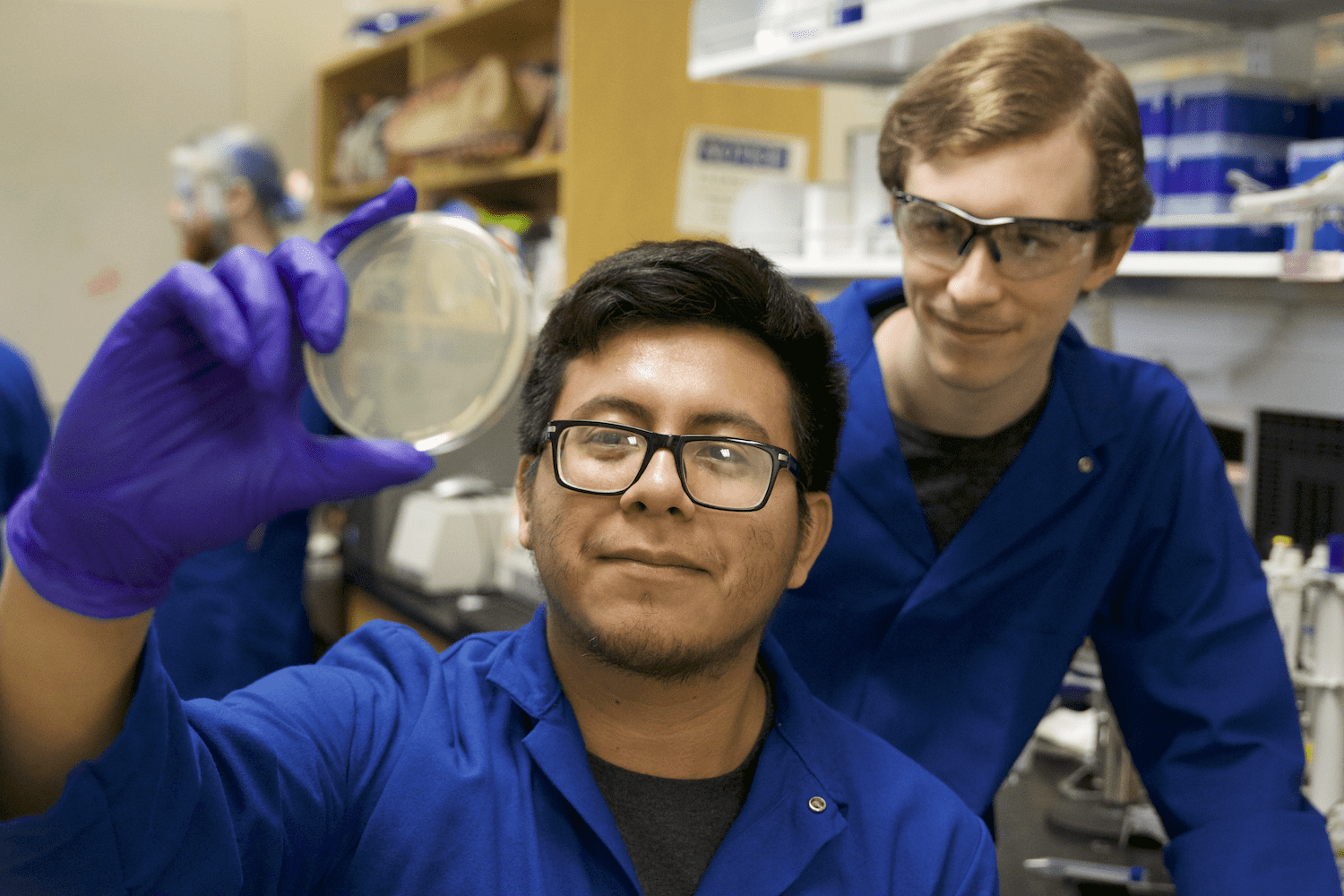
Molecular Biology and Biochemistry
The core discipline of Molecular Biology and Biochemistry is the understanding of the molecular mechanisms that underlie all fundamental biological processes. To that end the faculty of the Department of Molecular Biology and Biochemistry represent diverse research interests that include structure and synthesis of proteins and nucleic acids, gene organization and regulation, cell signaling, immunology and host pathogen interactions, biochemical genetics, cell and developmental biology, microbiology and virology.
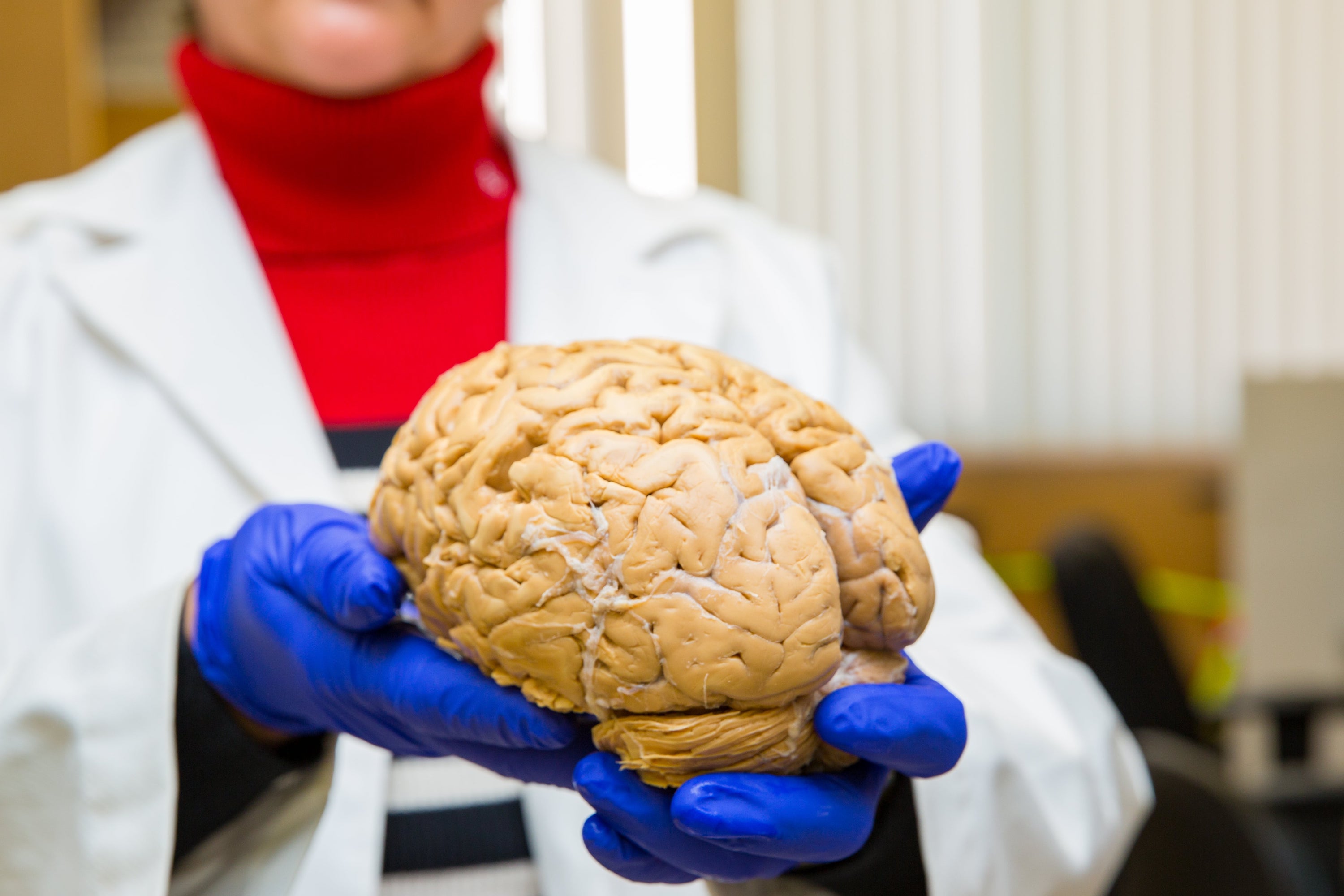
Neurobiology and Behavior
The department of Neurobiology and Behavior was the first neuroscience department in the world, established in 1964, five years before the formation of the Society for Neuroscience. Our researchers make discoveries related to Alzheimer’s disease and addiction, the computational brain, which involves studies of learning and memory, and the social/artistic brain with researchers using advanced imaging techniques to unlock the mysteries of our minds.
Systems Biology
The Department of Systems Biology is dedicated to understanding the complexity of living systems through the integration of quantitative, computational, and experimental approaches. Our faculty and researchers work at the forefront of interdisciplinary science, bridging mathematics, physics, engineering, computer science, and the biological sciences to uncover the principles that govern biological processes at multiple scales, from molecules and cells to tissues and organisms.