
Valeria Lallai Awarded TRDRP Grant for Research on Vaping During Pregnancy
Congratulations to Valeria Lallai, PhD, Project Scientist in the lab of Professor Christie Fowler, for securing a grant from the Tobacco-Related Disease Research Program

Congratulations to Valeria Lallai, PhD, Project Scientist in the lab of Professor Christie Fowler, for securing a grant from the Tobacco-Related Disease Research Program
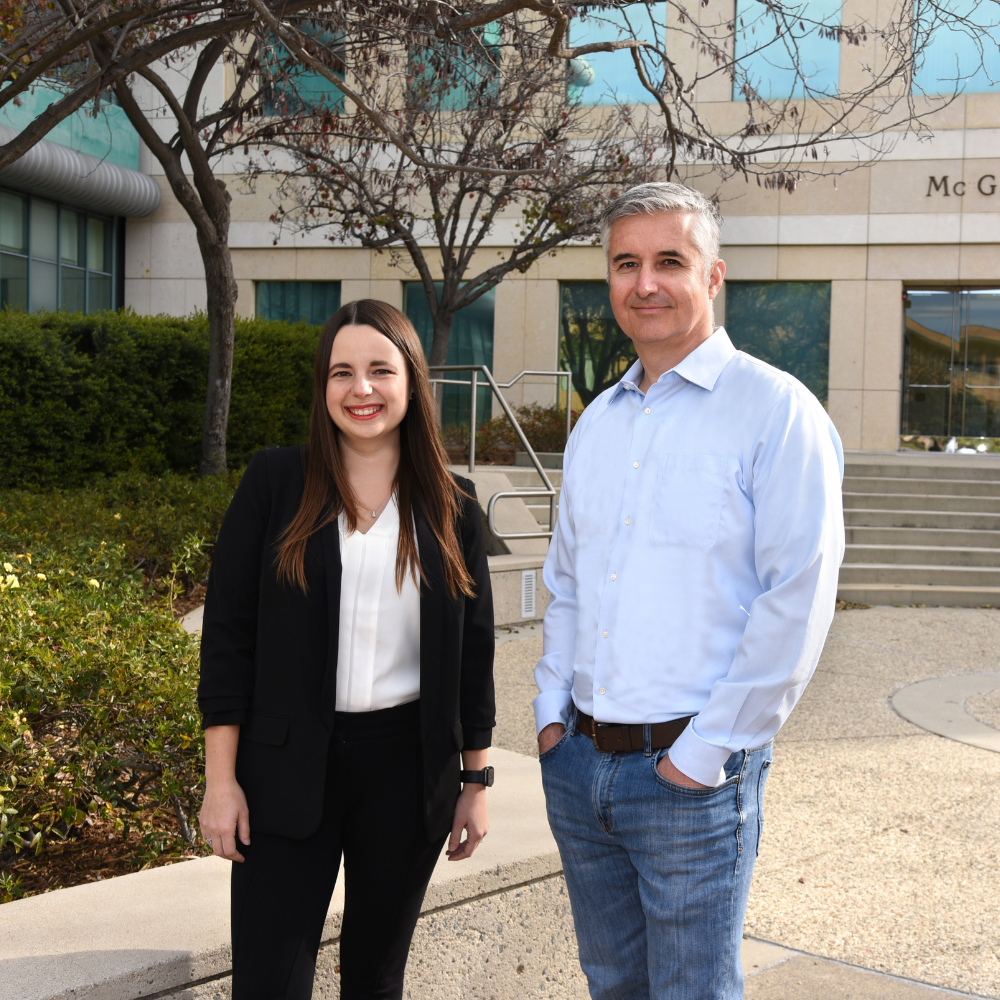
Groundbreaking research from the University of California, Irvine’s Department of Neurobiology & Behavior, led by Professor Marcelo Wood and Postdoctoral Research Fellow Ashley Keiser, unveils how specific exercise patterns may significantly enhance long-term memory formation. Published in Nature Communications, their study highlights a promising avenue for combating memory-related diseases like Alzheimer’s.
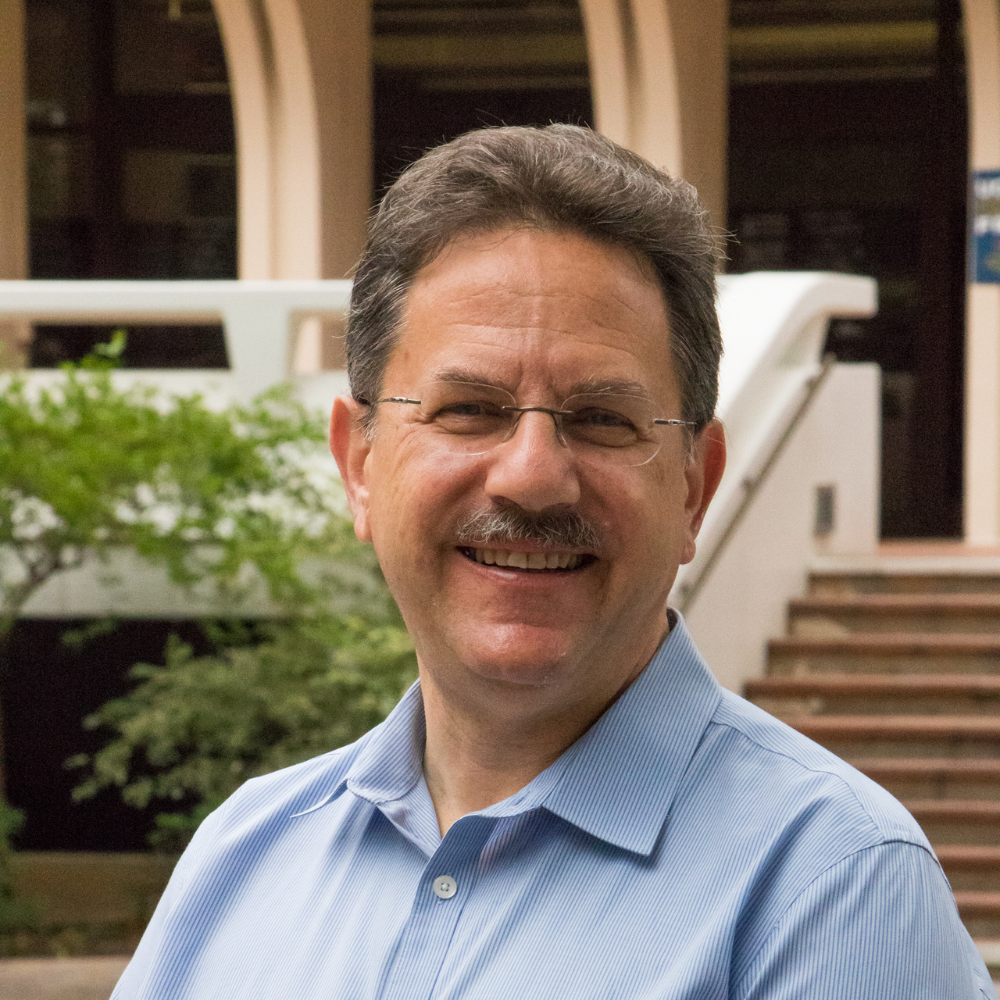
A new study led by the University of California, Irvine has revealed a potential shift in our basic knowledge of the origins of birth defects, which affect about 3 percent of babies born in the United States each year. The findings offer new avenues of exploration for early detection and prevention strategies.

Irvine, Calif., March 25, 2024 — A groundbreaking study conducted at the University of California, Irvine, has unveiled a novel approach to understanding and
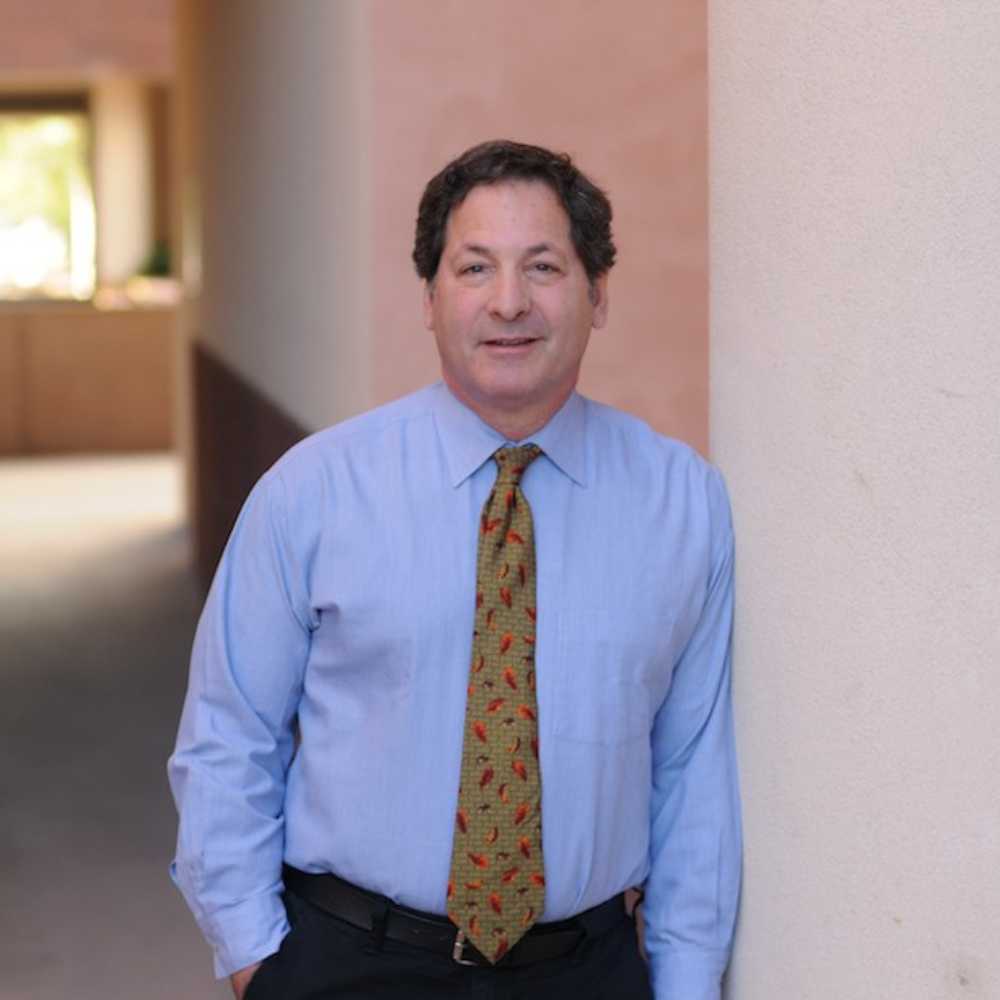
What if the path to delaying the onset of dementia symptoms begins at the nose?
It is a doorway that the research of Dr. Michael Leon opened with a 2023 study on the power of olfaction enrichment to influence memory function and brain health. The findings drew wide acclaim and interest when his results found that stimulation of our sense of smell with essential oils had a profound impact on memory, cognition, and language recall.
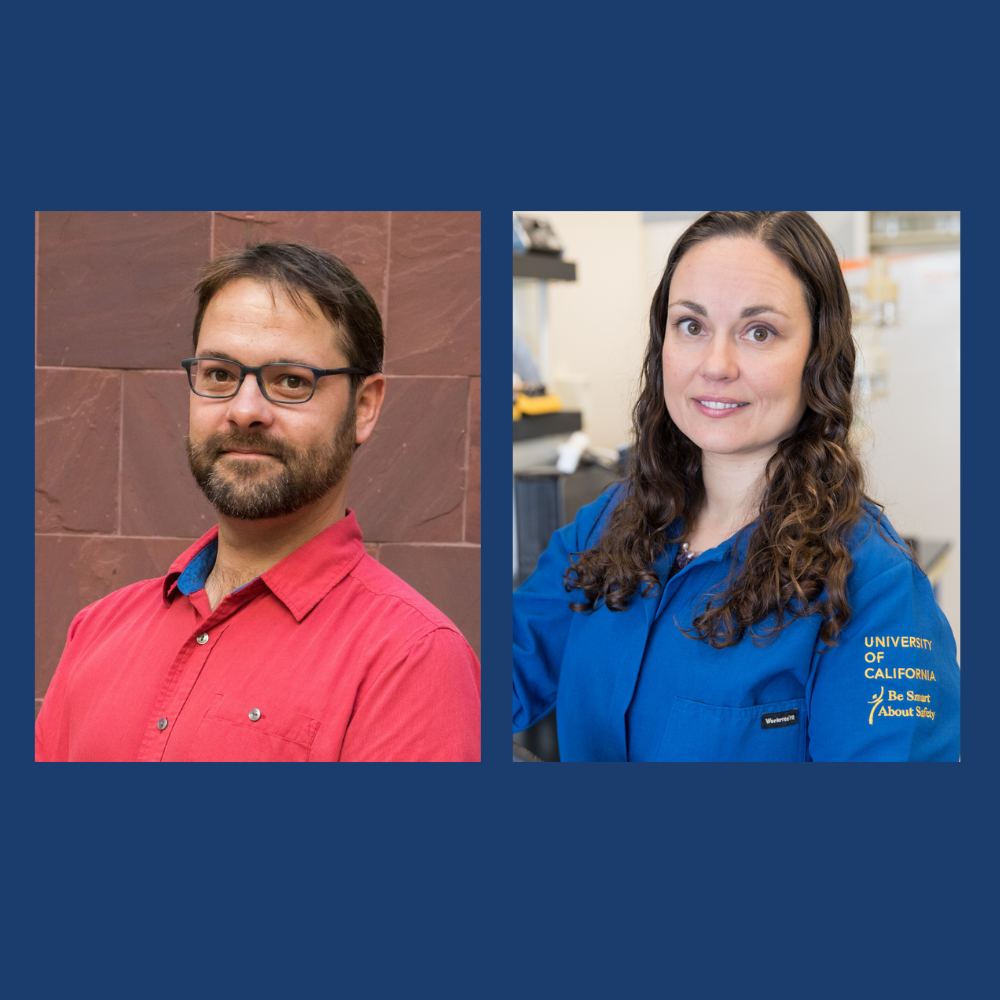
Today, the Irvine Center for Addiction Neuroscience (ICAN) is thrilled to announce significant changes in its leadership. As many may already be aware, Professor
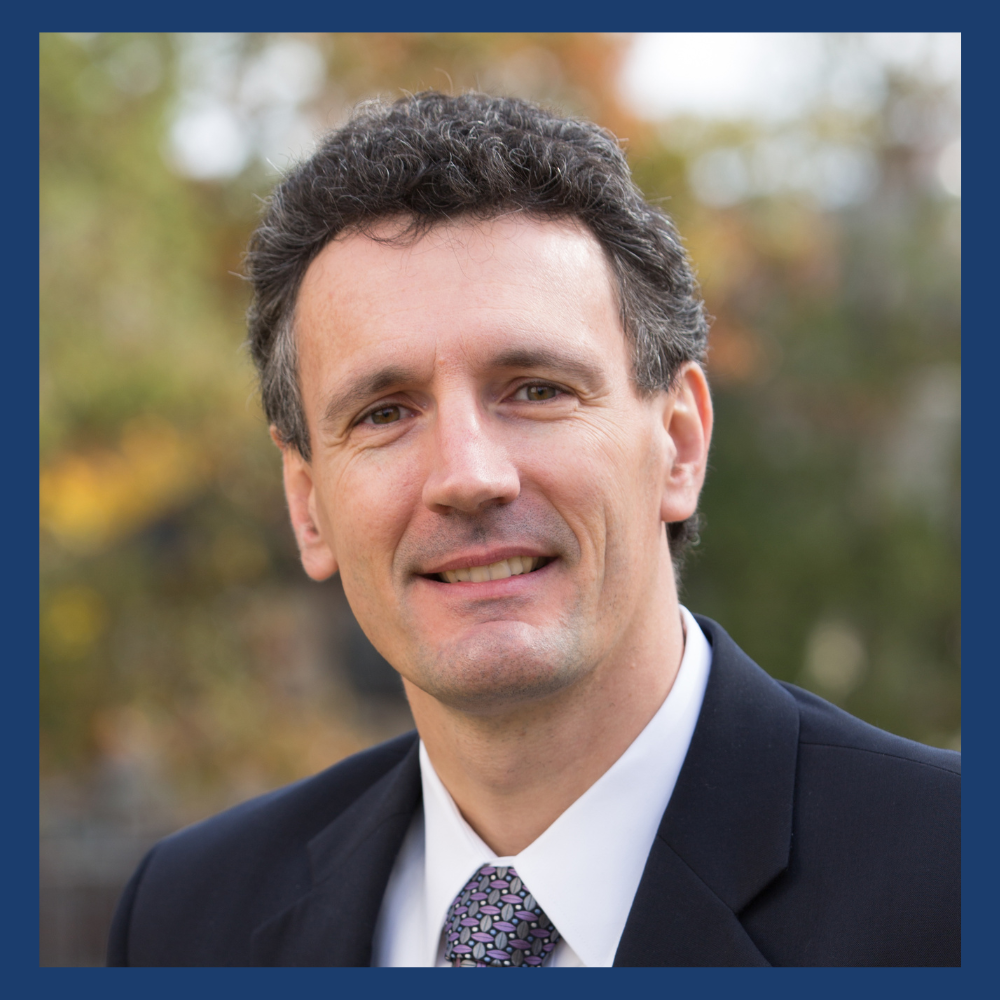
Diego A. Pizzagalli, Ph.D. – a leading researcher into the causes, manifestation and treatment of mood disorders, particularly major depression – has been named the founding director of a transdisciplinary depression research institute at the University of California, Irvine, following a nationwide search. The institute is supported by a record $55 million estate gift from philanthropist Audrey Steele Burnand.

Why do some brains remain robust as time marches on, while others wither? What can be done to halt deterioration in its tracks, or even better — reverse it?
That’s the mystery that decades of work at UCI and other federal research centers are dedicated to unraveling. Some of the biggest brains in science are devoted to understanding aging, dementia and Alzheimer’s disease.

When a fragrance wafted through the bedrooms of older adults for two hours every night for six months, memories skyrocketed. Participants in this study by University of California, Irvine neuroscientists reaped a 226% increase in cognitive capacity compared to the control group. The researchers say the finding transforms the long-known tie between smell and memory into an easy, non-invasive technique for strengthening memory and potentially deterring dementia.

UCI biologists Kim Green and Tom Lane have been awarded $250,000 from the Alzheimer’s Association to assess how COVID-19 affects the onset and severity of Alzheimer’s disease.