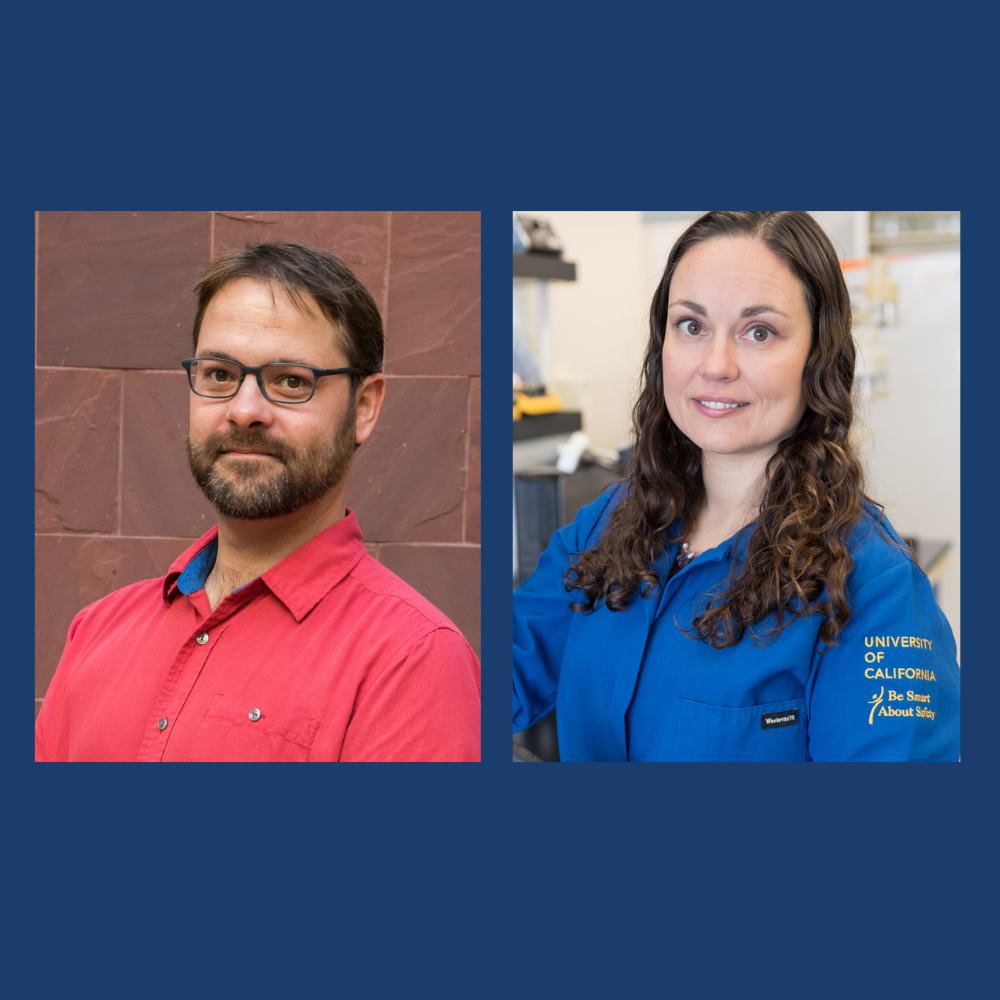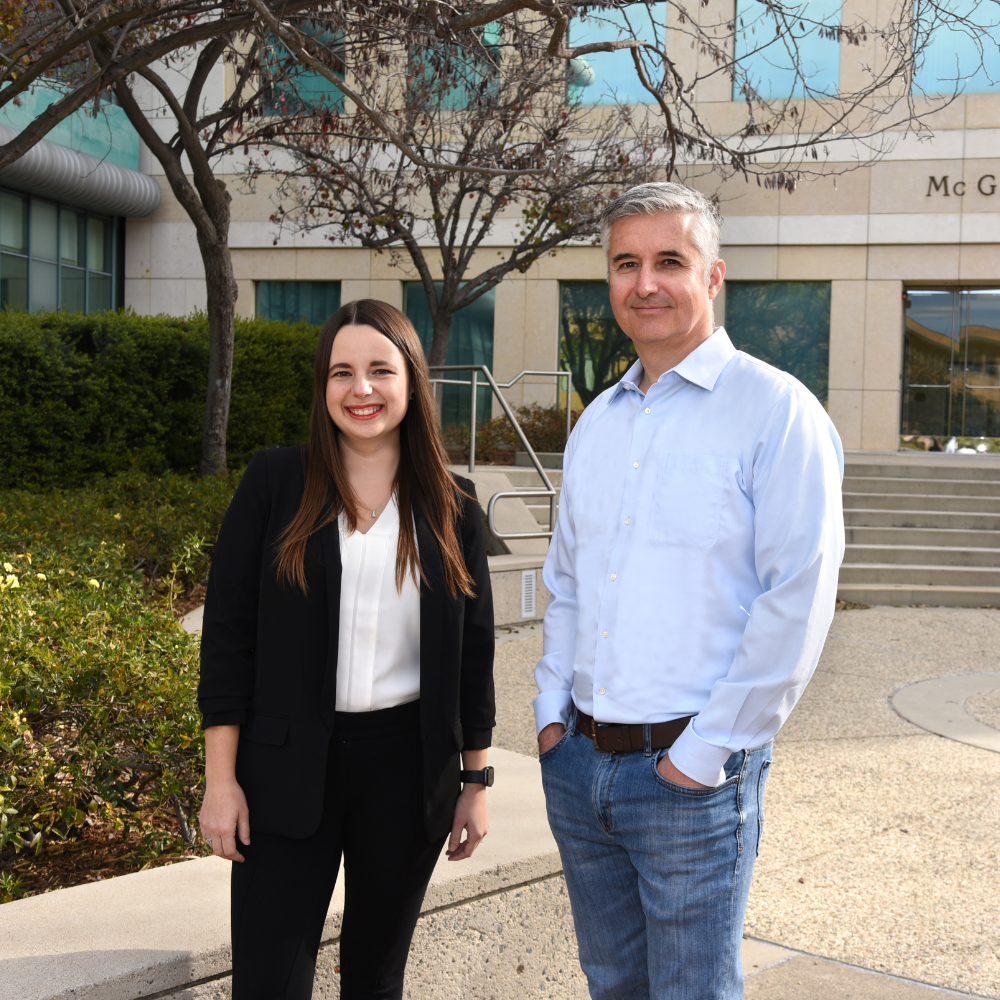
ICAN Update: Welcoming Our New Directors
Today, the Irvine Center for Addiction Neuroscience (ICAN) is thrilled to announce significant changes in its leadership. As many may already be aware, Professor […]
Diego A. Pizzagalli, Ph.D. – a leading researcher into the causes, manifestation and treatment of mood disorders, particularly major depression – has been named the founding director of a transdisciplinary depression research institute at the University of California, Irvine, following a nationwide search. The institute is supported by a record $55 million estate gift from philanthropist Audrey Steele Burnand.
Why do some brains remain robust as time marches on, while others wither? What can be done to halt deterioration in its tracks, or even better — reverse it?
That’s the mystery that decades of work at UCI and other federal research centers are dedicated to unraveling. Some of the biggest brains in science are devoted to understanding aging, dementia and Alzheimer’s disease.
When a fragrance wafted through the bedrooms of older adults for two hours every night for six months, memories skyrocketed. Participants in this study by University of California, Irvine neuroscientists reaped a 226% increase in cognitive capacity compared to the control group. The researchers say the finding transforms the long-known tie between smell and memory into an easy, non-invasive technique for strengthening memory and potentially deterring dementia.
UCI biologists Kim Green and Tom Lane have been awarded $250,000 from the Alzheimer’s Association to assess how COVID-19 affects the onset and severity of Alzheimer’s disease.
The School of Biological Sciences is proud to announce that Professor Michael Yassa and Dean Frank LaFerla have been selected as recipients of the
University of California, Irvine neuroscientists probing the gene changes behind Alzheimer’s disease have developed a process of making a “meta-cell” that overcomes the challenges of studying a single cell. Their technique has already revealed important new information and can be used to study other diseases throughout the body.
There is plenty of research that demonstrates the health benefits of regular exercise, but a team of researchers, led by Neurobiology and Behavior Professor
More than 650,000 people aged 65 and older are living with Alzheimer’s disease in California. This number is projected to more than double by
Scientists at the UCI MODEL-AD group have developed a new mouse model that could help us understand Alzheimer’s disease better. The mouse model is