
David Bojorquez Earns Two Awards to Explore How Life Takes Shape
Before an embryo has organs or recognizable features, its cells are already carrying out an extraordinary balancing act: multiplying while taking on different jobs.

Before an embryo has organs or recognizable features, its cells are already carrying out an extraordinary balancing act: multiplying while taking on different jobs.
Helping students understand science, build confidence and envision their futures takes dedicated educators. The Charlie Dunlop School of Biological Sciences is celebrating two such
A child’s opportunity to explore science should not depend on access to a university laboratory. Yet bringing hands-on research into middle school classrooms requires
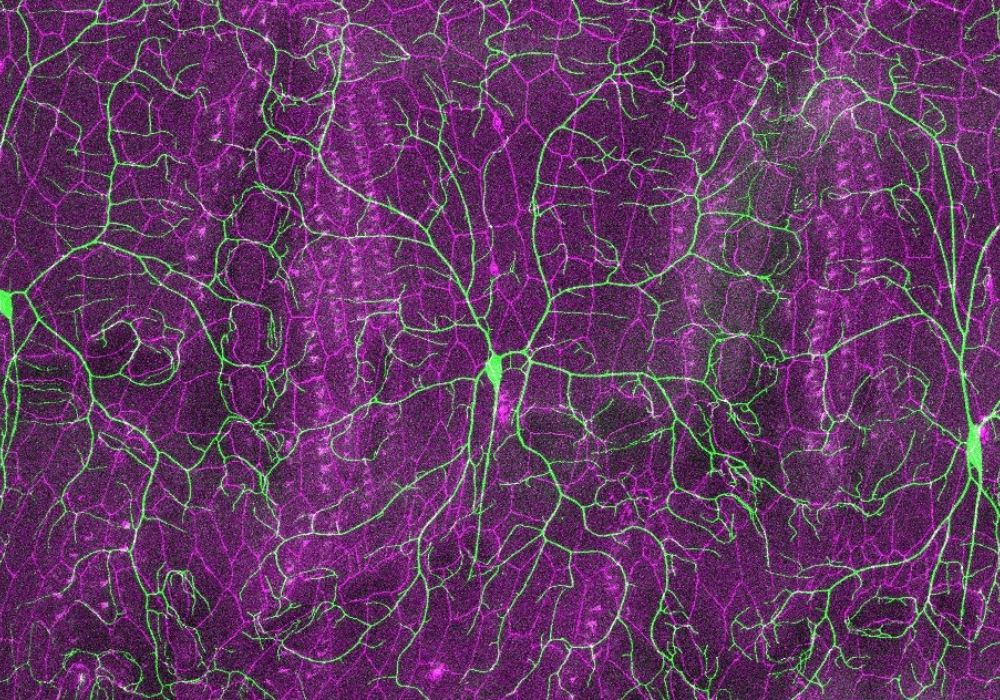
When a traumatic injury damages the nervous system, understanding what prevents nerve cells from repairing themselves is critical to improving recovery.
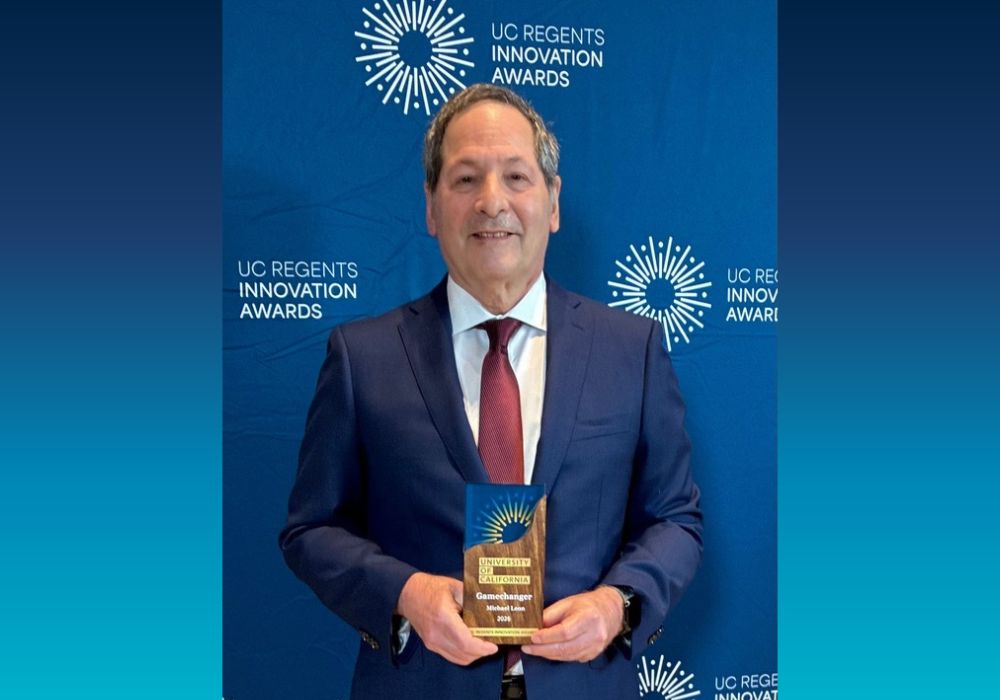
Michael Leon, professor emeritus of neurobiology and behavior at the UC Irvine Charlie Dunlop School of Biological Sciences, received an inaugural Gamechanger Award.
Professor Cascade Sorte discusses a historic sea turtle nesting near Seal Beach with NBC4
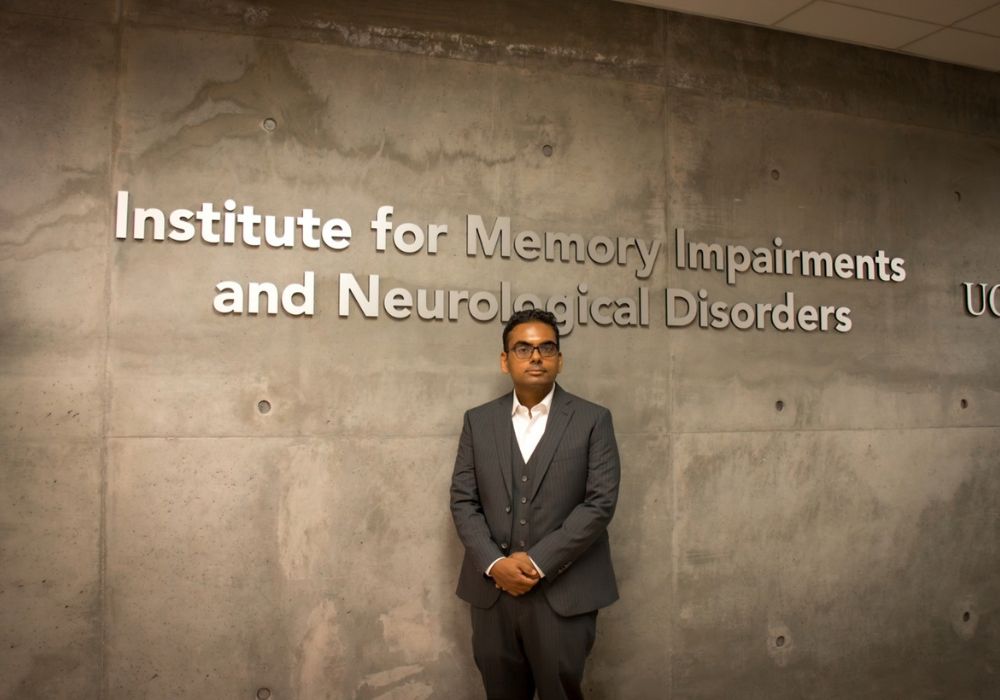
Why do some people remain cognitively healthy well into their 90s, even when their brains show many of the changes associated with Alzheimer’s disease?
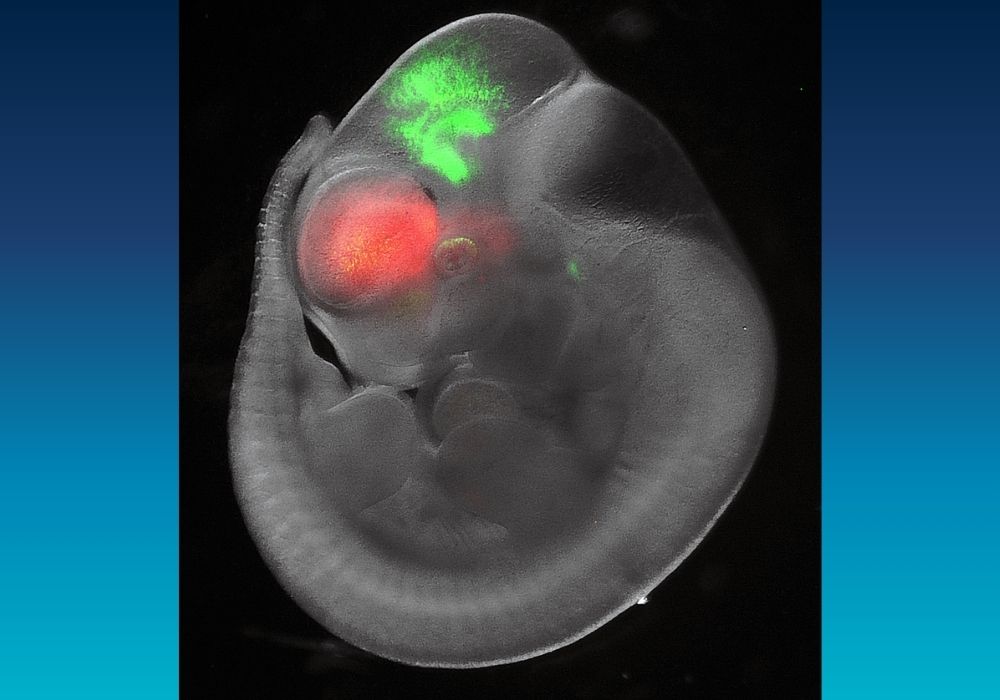
A transgenic mouse embryo in which AI-designed regulatory DNA sequences drive gene expression in the forebrain (red) and in the midbrain (green). Image credit:
When biologist Maksim Plikus took the leap into the multibillion-dollar market for hair-loss treatments, he had lots of local support.
Alzheimer’s disease may look similar from one person to another even when different biological processes are driving the damage, according to a new study led by researchers at the University of California, Irvine.