
An antibiotic alternative
Third-year microbiology and immunology student Ritwik Kumar is changing the game in experimental therapeutics.
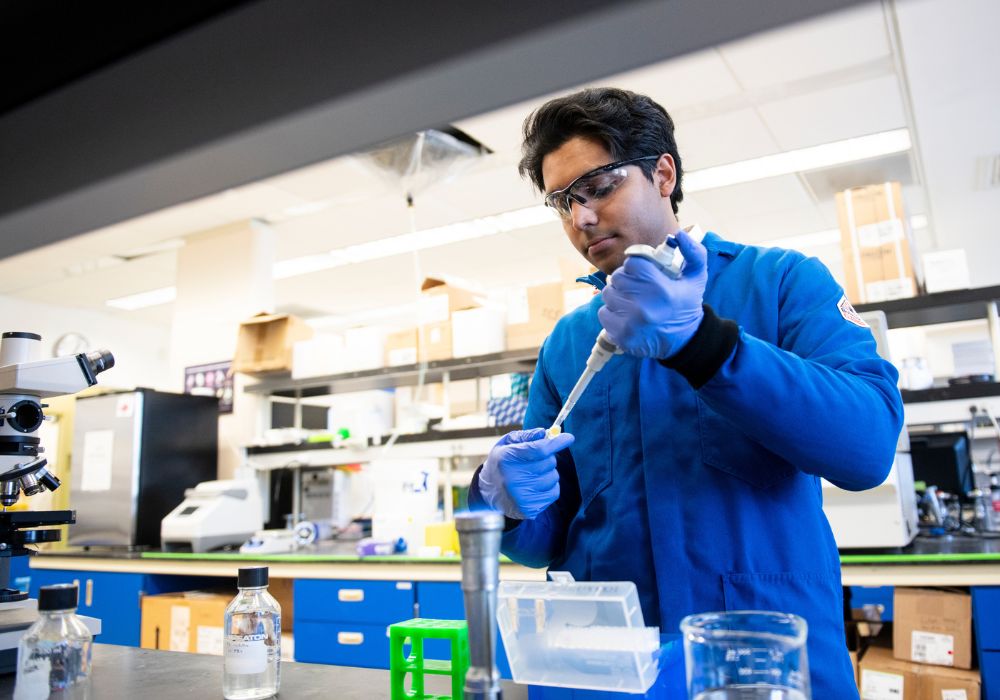
Third-year microbiology and immunology student Ritwik Kumar is changing the game in experimental therapeutics.
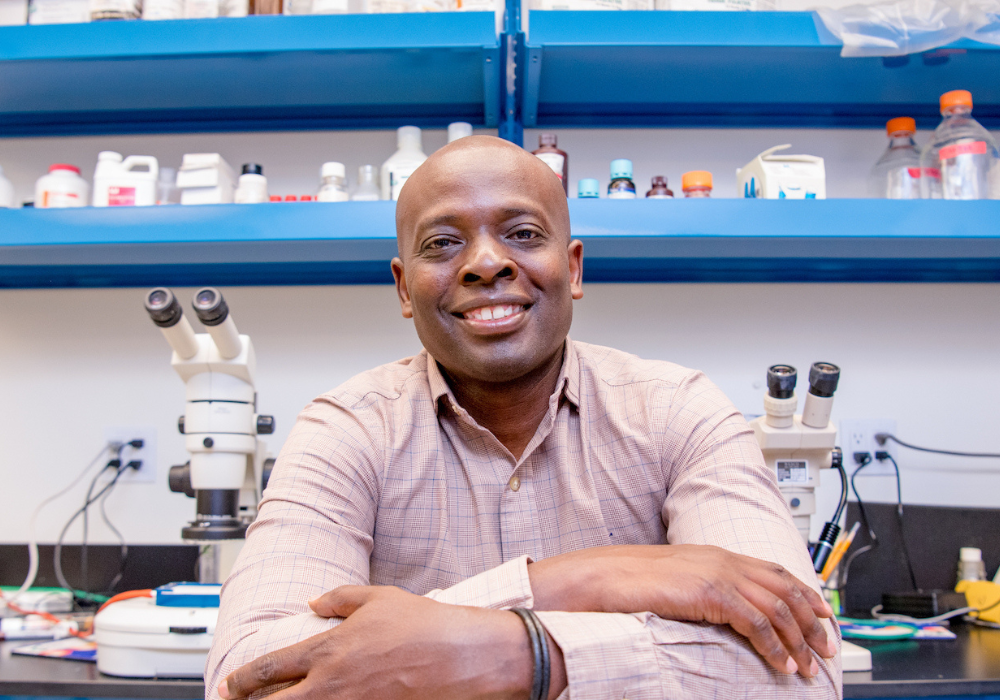
Assistant Professor Kwasi Connor of the UC Irvine Charlie Dunlop School of Biological Sciences has made significant contributions to marine conservation, most recently through
In the battle against persistent viruses like HIV and hepatitis, our immune system faces a major obstacle — T-cell exhaustion. Over time, these vital
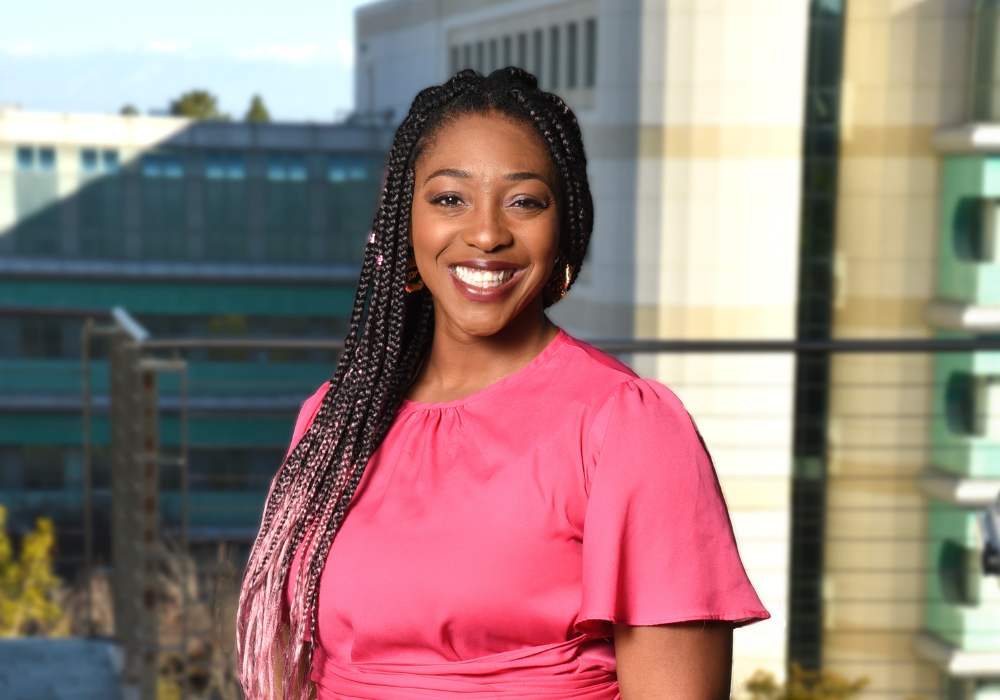
Assistant Professor Dequina Nicholas from the UC Irvine Charlie Dunlop School of Biological Sciences was recently featured in Nature Cell Biology, joining leading researchers
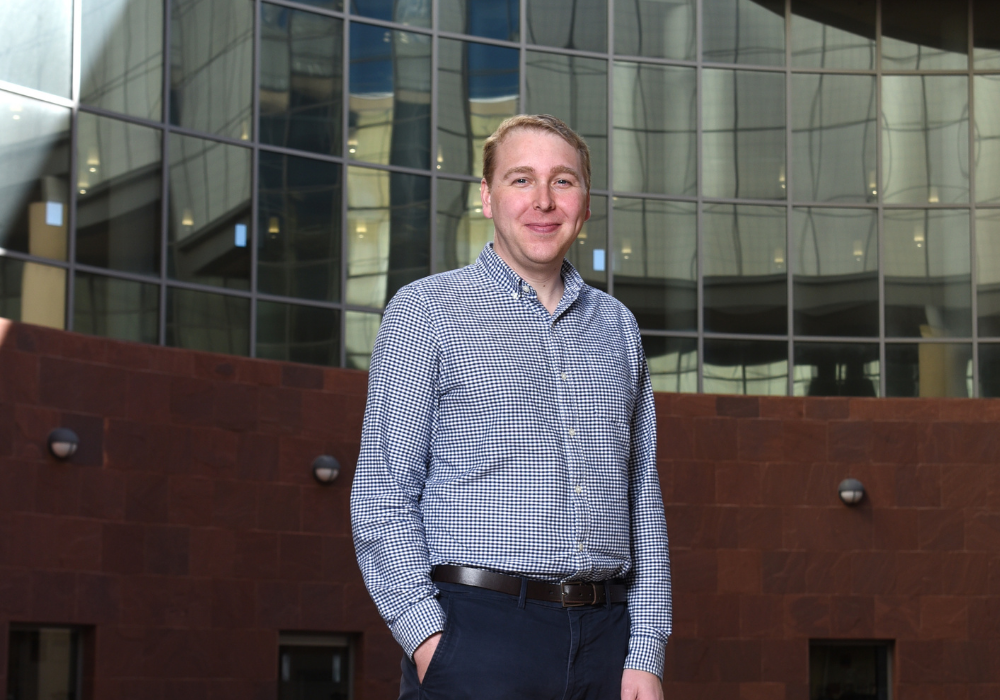
Assistant Professor Benjamin Morehouse of the Charlie Dunlop School of Biological Sciences has received a prestigious grant from the National Institutes of Health (NIH).
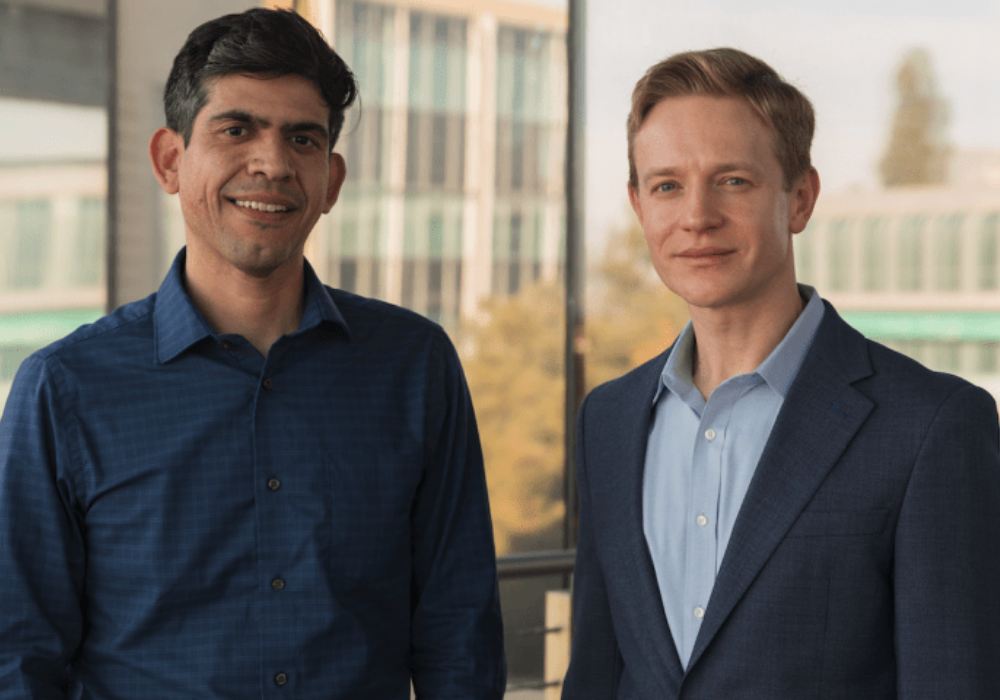
An international research team led by the University of California, Irvine has discovered a new type of skeletal tissue that offers great potential for advancing regenerative medicine and tissue engineering.

Irvine, Calif., January 22, 2025 — A new paper published in the British Journal of Dermatology sheds light on one of the most distinctive

Irvine, Calif., January 6, 2025 — In a significant advancement for understanding genetic diseases, researchers from the UC Irvine Charlie Dunlop School of Biological
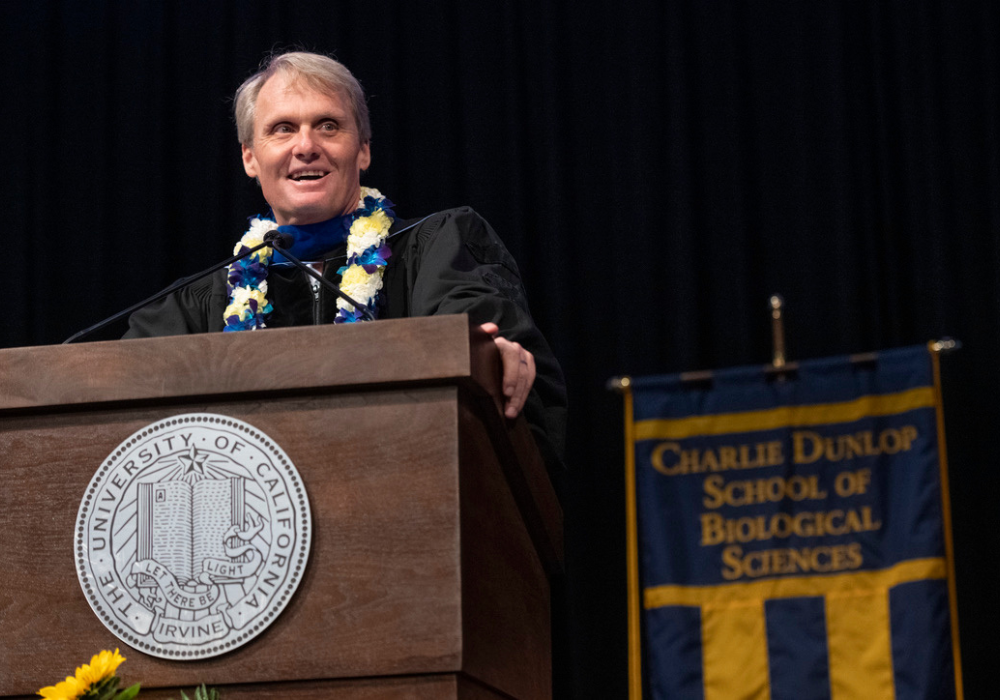
Read more about how Charlie Dunlop reshaped Orange County’s academic research landscape with a $50 million unrestricted gift to BioSci.

Irvine, Calif., December 16, 2024 — In a new study published in Proceedings of the National Academy of Sciences, researchers at the UC Irvine