ICAN Update: Welcoming Our New Directors
Today, the Irvine Center for Addiction Neuroscience (ICAN) is thrilled to announce significant changes in its leadership. As many may already be aware, Professor
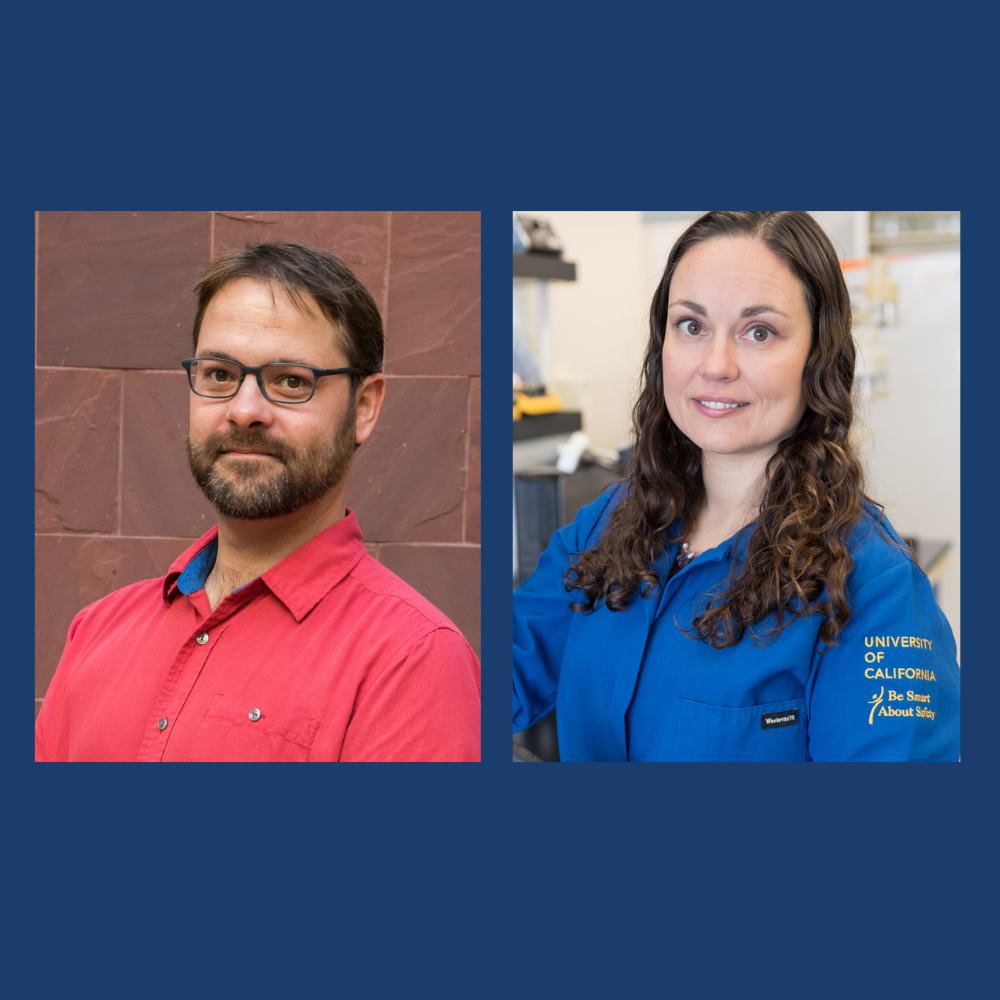
Today, the Irvine Center for Addiction Neuroscience (ICAN) is thrilled to announce significant changes in its leadership. As many may already be aware, Professor
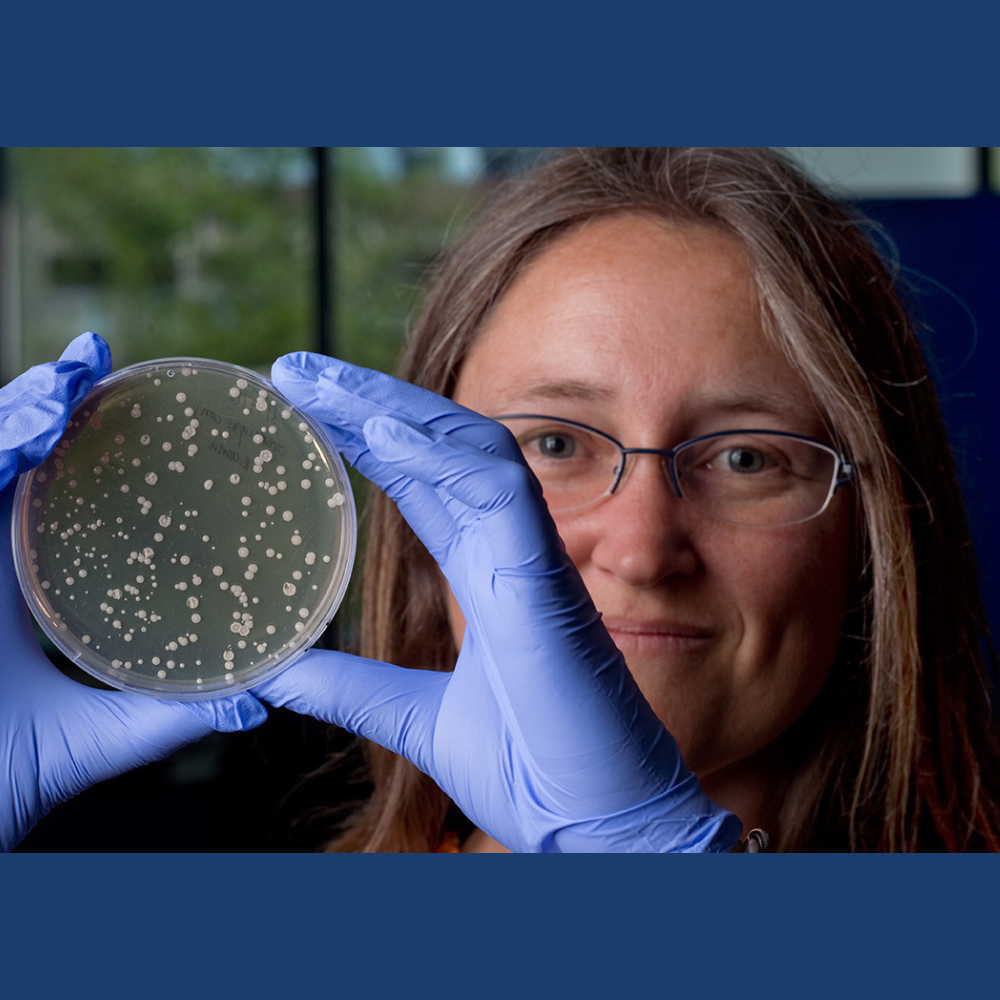
Katrine Whiteson, PhD, is on a quest to understand how microbes living in your body influence health and disease.

Diego A. Pizzagalli, Ph.D. – a leading researcher into the causes, manifestation and treatment of mood disorders, particularly major depression – has been named the founding director of a transdisciplinary depression research institute at the University of California, Irvine, following a nationwide search. The institute is supported by a record $55 million estate gift from philanthropist Audrey Steele Burnand.

In a groundbreaking development for the treatment of Hereditary Hemorrhagic Telangiectasia (HHT), a rare and life-threatening vascular disorder, nonprofit organization cureHHT has officially launched

In the fight against chronic viral infections and cancer, the immune system faces formidable challenges. These infections often wear out the immune response, leading
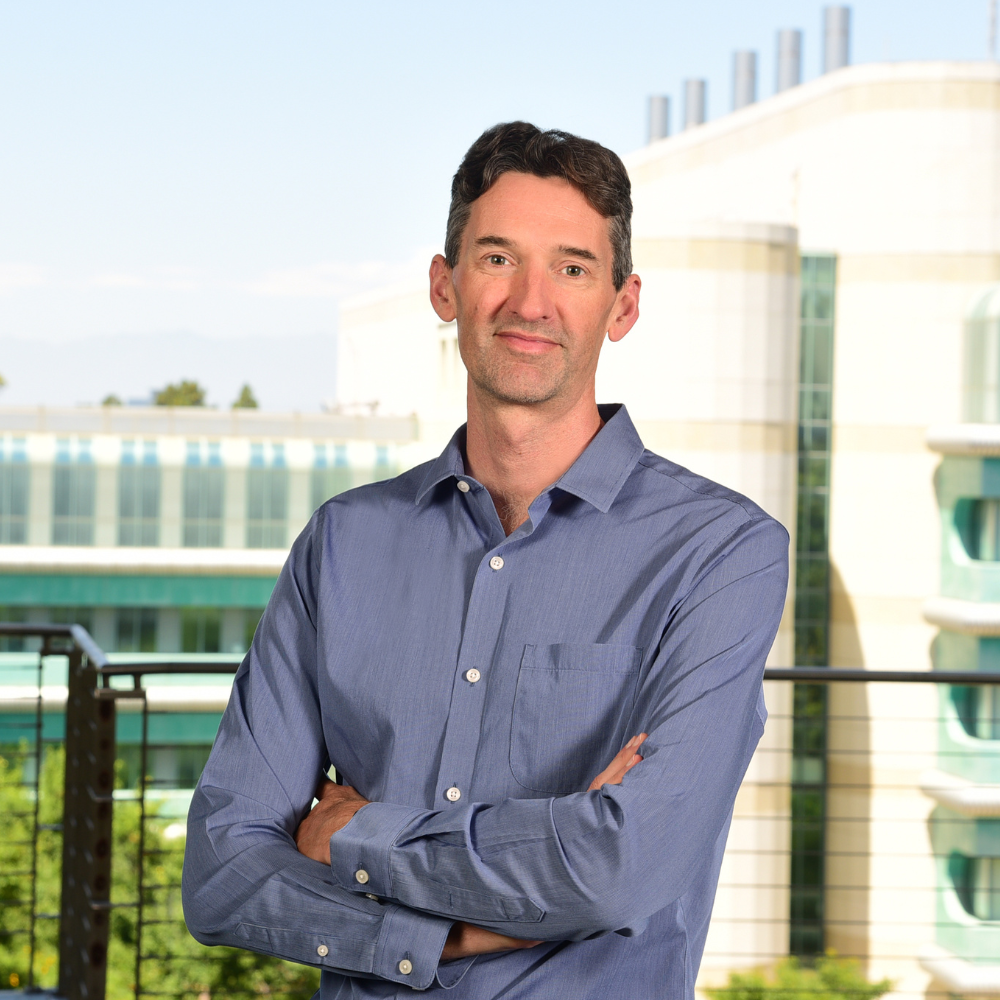
UCs Irvine, Riverside and San Diego are working to find solutions to manage the impacts from climate change with a regional project to reduce risks in California, led by UCI and Professor of Ecology and Evolutionary Biology Steven Allison.
Three University of California, Irvine researchers will receive more than $8 million in climate action gran ts to support projects that will help advance progress toward California’s climate goals.
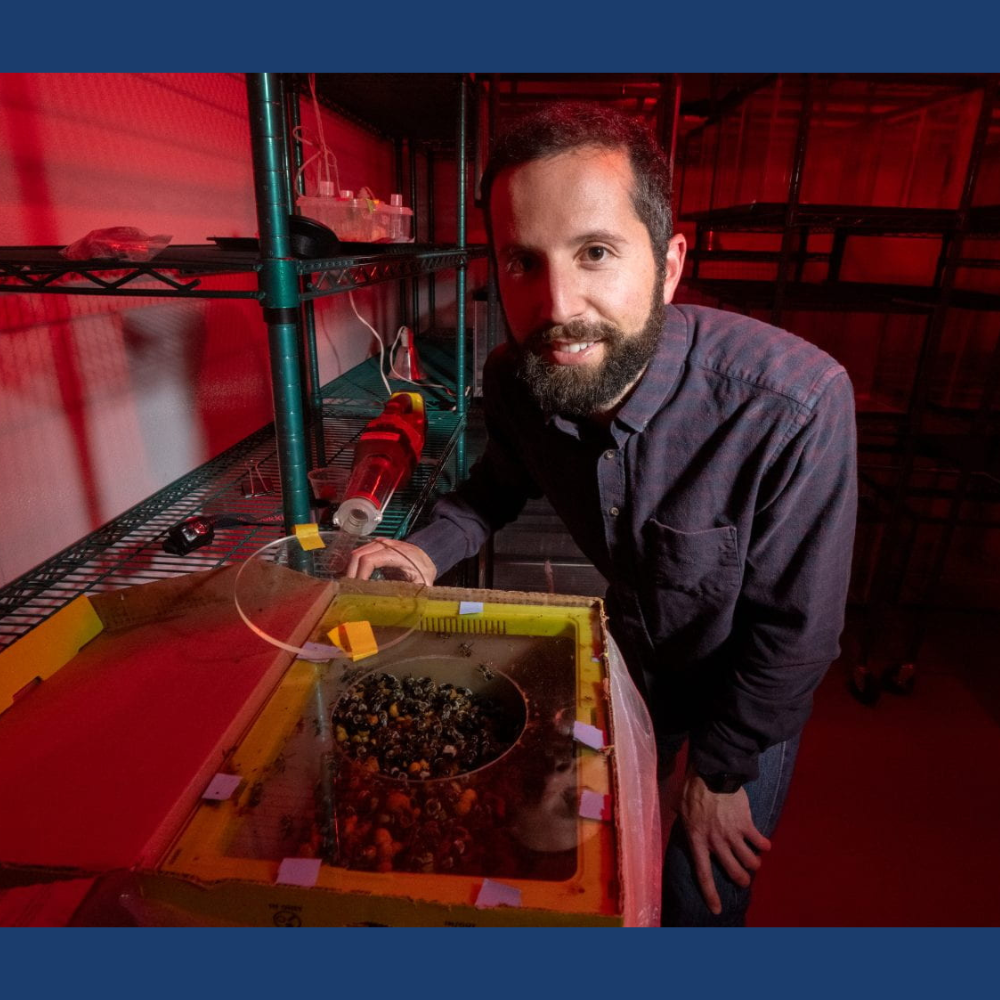
Bees that build microbreweries, ride a miniature merry-go-round and possibly even wear diapers. In biologist Tobin Hammer’s UCI lab, all sorts of unusual projects unfold.

When a fragrance wafted through the bedrooms of older adults for two hours every night for six months, memories skyrocketed. Participants in this study by University of California, Irvine neuroscientists reaped a 226% increase in cognitive capacity compared to the control group. The researchers say the finding transforms the long-known tie between smell and memory into an easy, non-invasive technique for strengthening memory and potentially deterring dementia.