
MODEL-AD: Unlocking the Secrets of Late-Onset Alzheimer’s
UCI is at the forefront of the fight against Alzheimer’s disease, and the recent $47 million grant from the National Institute on Aging (NIA)

UCI is at the forefront of the fight against Alzheimer’s disease, and the recent $47 million grant from the National Institute on Aging (NIA)
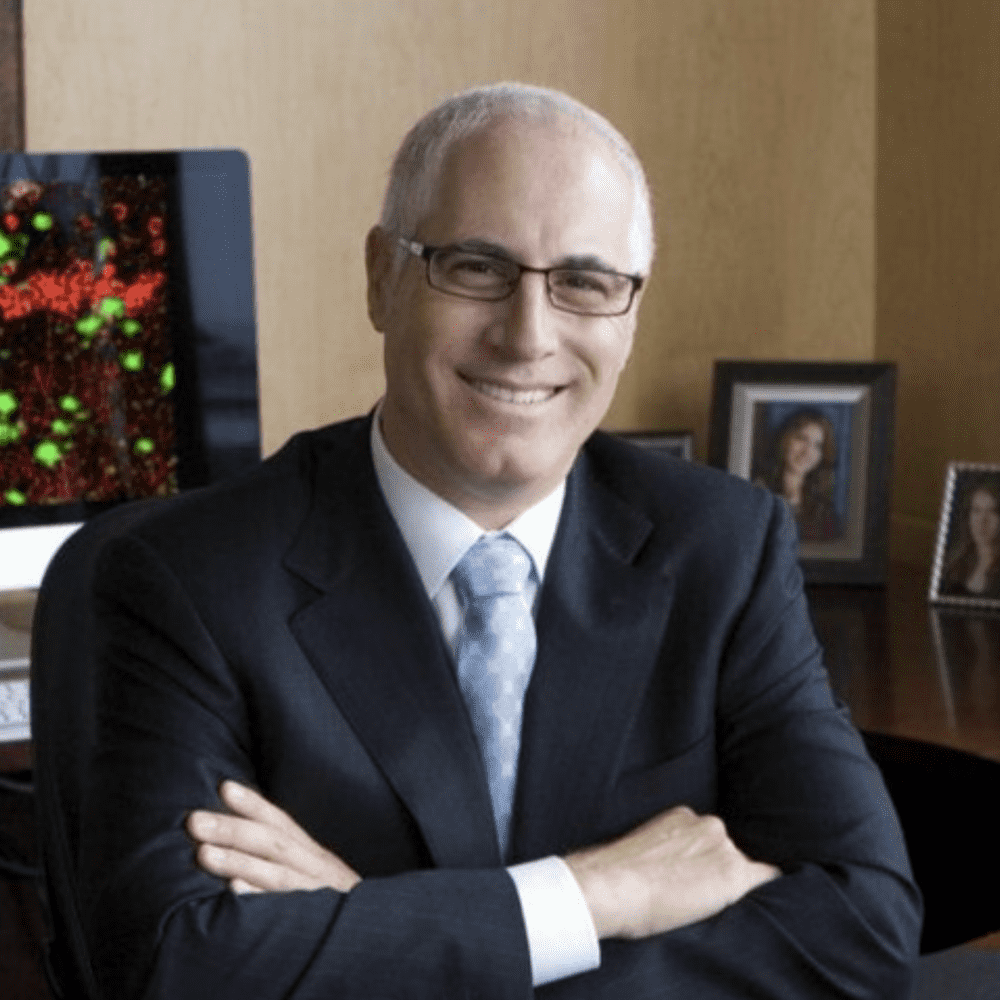
Frank LaFerla has been reappointed to an additional five-year term as Dean of the School of Biological Sciences, beginning July 1.
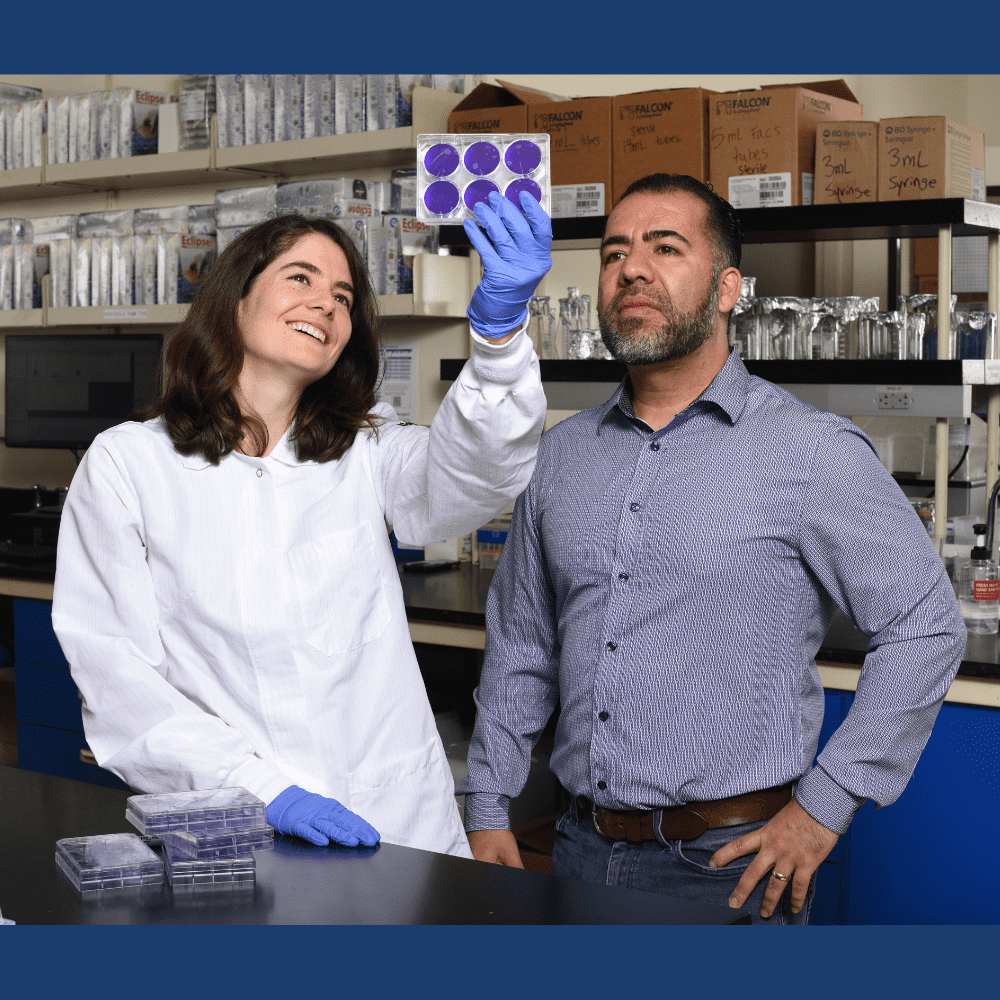
A recent study published in the Journal of Virology by a team from the Department of Molecular Biology and Biochemistry that includes Assistant Professor
Scientists at the University of California, Irvine have made a remarkable discovery about cellophane bees – their microbiomes are some of the most fermentative known from the insect world.

Eating lots of fats increases the risk of metabolic disorders, but the mechanisms behind the problem have not been well understood. Now, University of California, Irvine biologists have made a key finding about how to ward off harmful effects caused by a high-fat diet. Their study appears in Nature Communications.

As the Earth’s climate continues to change, natural resource managers are faced with the challenge of forecasting how populations will respond to these changes.
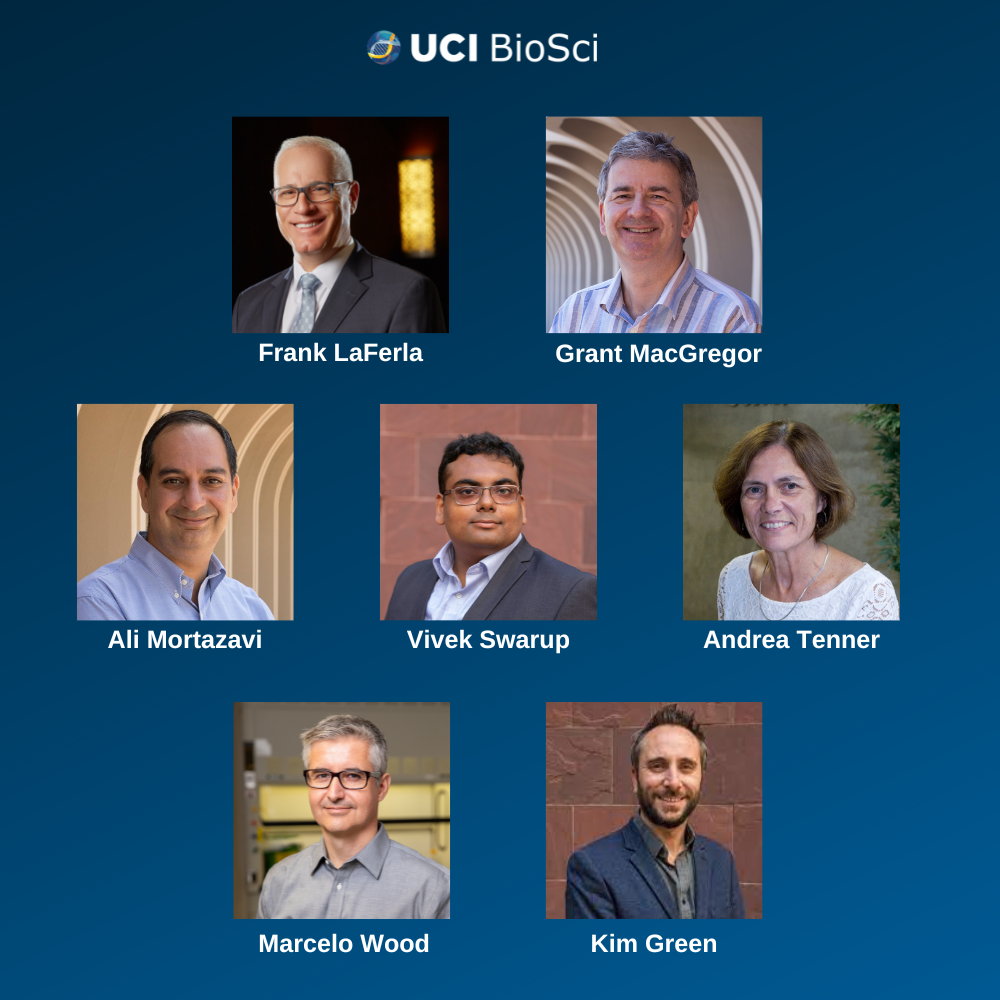
Scientists at the UCI MODEL-AD group have developed a new mouse model that could help us understand Alzheimer’s disease better. The mouse model is

Assistant Professor Eitan Schechtman-Drayman from the Department of Neurobiology and Behavior, and Center for the Neurobiology of Learning and Memory fellow, has been recognized

Dean Frank LaFerla is joined by Professor Joshua Grill, director of the UC Irvine Institute for Memory Impairments and Neurological Disorders (UCI MIND), who
