
A dementia caregiver turns to an unconventional method to help her patients
A Minnesota-based chorus offers inspiration for dementia patients and caregivers. For CNN’s Amara Walker and her mother, it’s deeply personal.
A Minnesota-based chorus offers inspiration for dementia patients and caregivers. For CNN’s Amara Walker and her mother, it’s deeply personal.

Why do some brains remain robust as time marches on, while others wither? What can be done to halt deterioration in its tracks, or even better — reverse it?
That’s the mystery that decades of work at UCI and other federal research centers are dedicated to unraveling. Some of the biggest brains in science are devoted to understanding aging, dementia and Alzheimer’s disease.
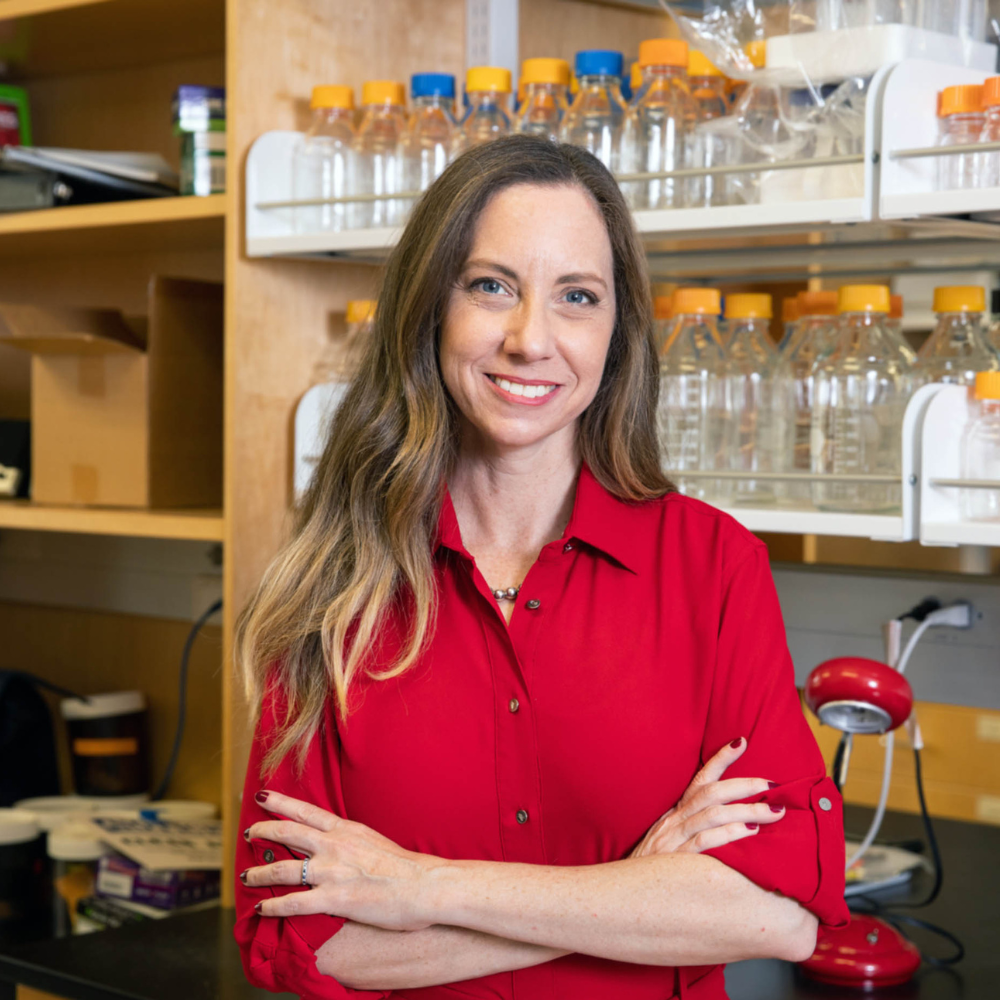
Climate change is in large parts responsible for this storm, says Professor Kathleen Treseder, from the University of California, Irvine’s Ecology and Evolutionary Biology department.
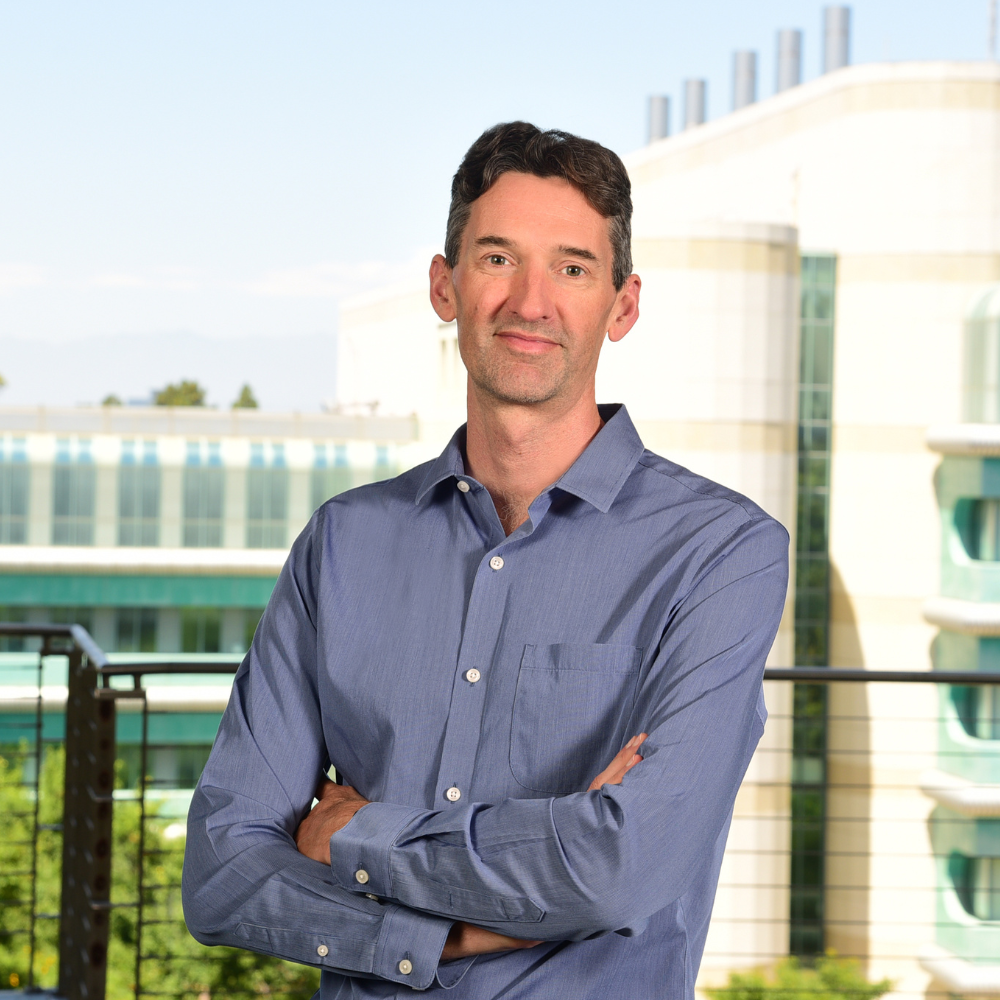
UCs Irvine, Riverside and San Diego are working to find solutions to manage the impacts from climate change with a regional project to reduce risks in California, led by UCI and Professor of Ecology and Evolutionary Biology Steven Allison.
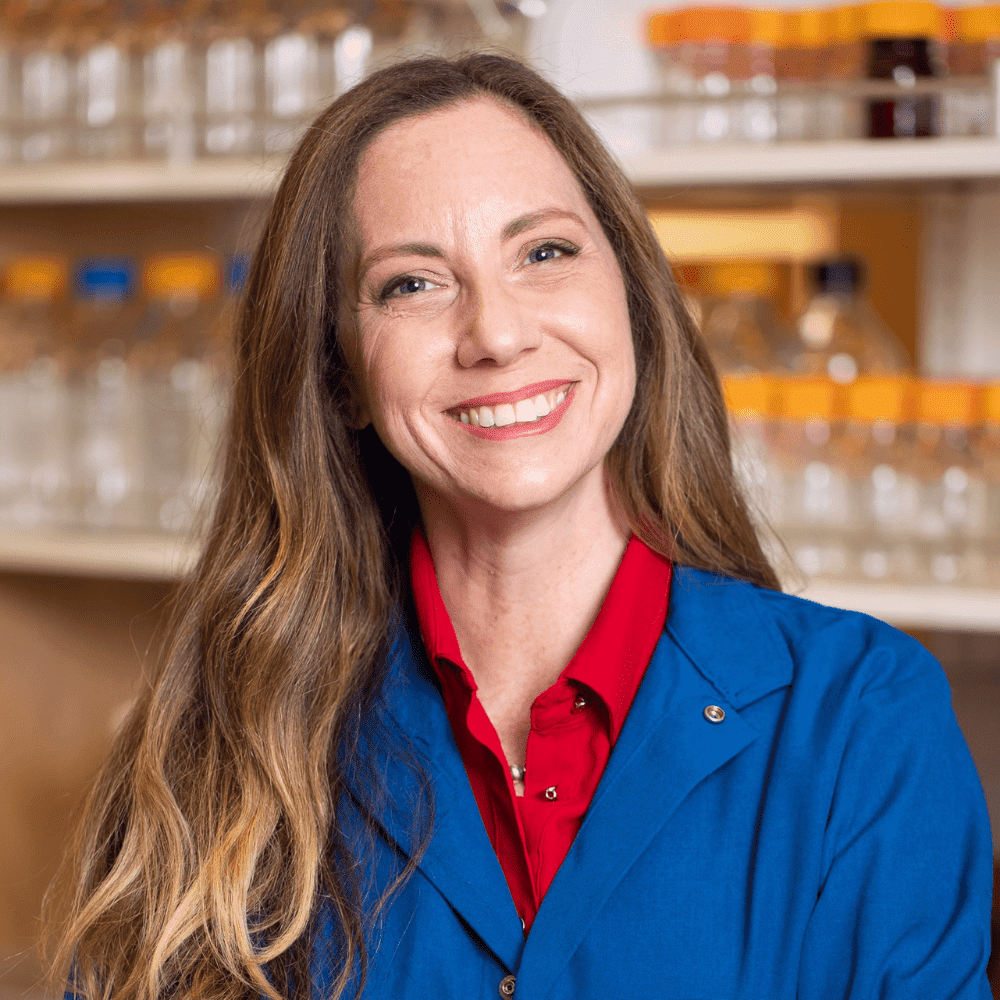
Kathleen Treseder thinks a lot about potential solutions for problems like erosion. She studies and teaches climate change at the University of California, Irvine. She says many of the expensive homes along Orange County’s coastline might withstand waves lapping at their porches, but they could be taken out by a storm surge.

In searching for the genetic mechanism behind this difference, the UCI biologists selected as their subject Heliconius charithonia, in which visual capacity is sexually dimorphic. When they finished assembling the first complete genome for this species, they learned that its W – or female – chromosome contained the opsin gene.

The School of Biological Sciences is proud to announce that Professor Michael Yassa and Dean Frank LaFerla have been selected as recipients of the
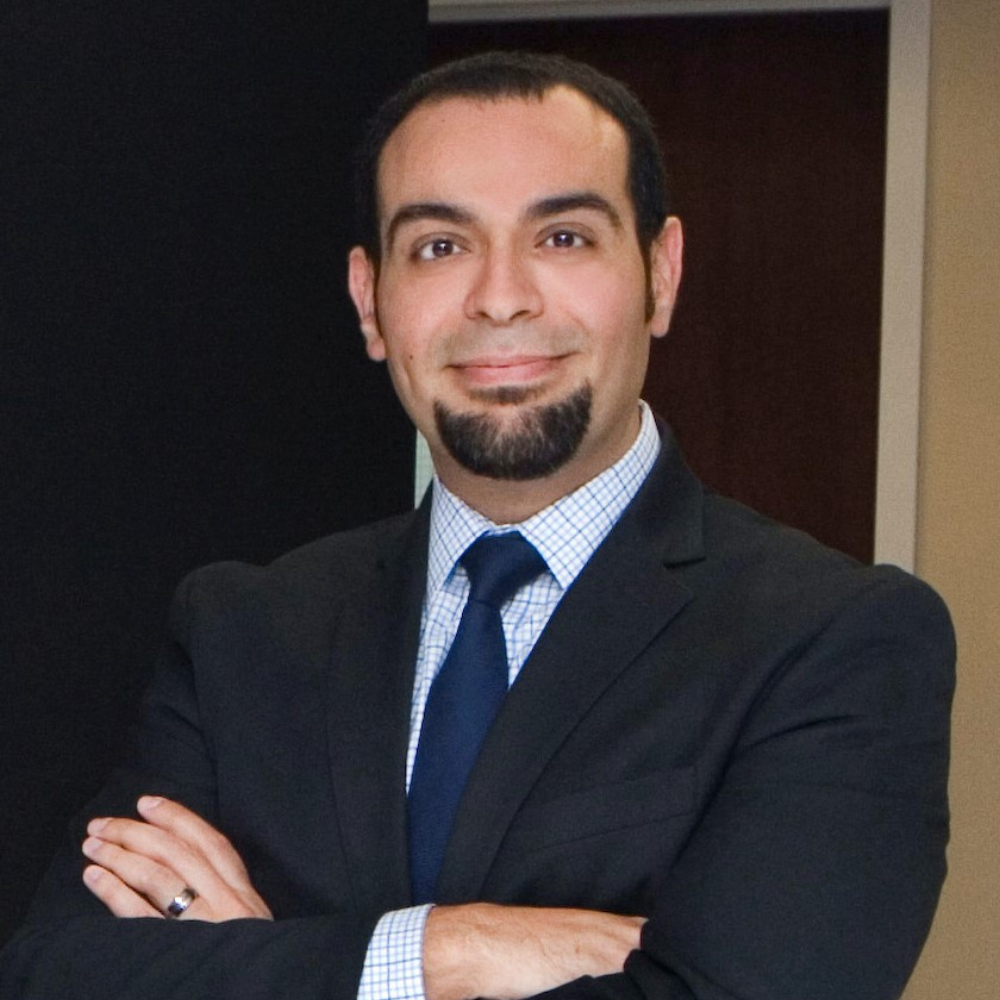
June is Alzheimer and Brain Awareness Month, an event dedicated to raising awareness about Alzheimer disease (AD), educating others, and promoting patient advocacy for patients living with the condition. One notable issue in the field gaining attention is the risk of AD among patients in racial and ethnic minority groups as well as their lack of representation of these populations in AD research.

Evgeny Kvon is an Assistant Professor at the University of California, Irvine (UCI) in the Department of Developmental and Cell Biology, USA. His lab studies non-coding regulatory DNA and its mechanistic role in the control of gene expression to understand more about development, disease and evolution.
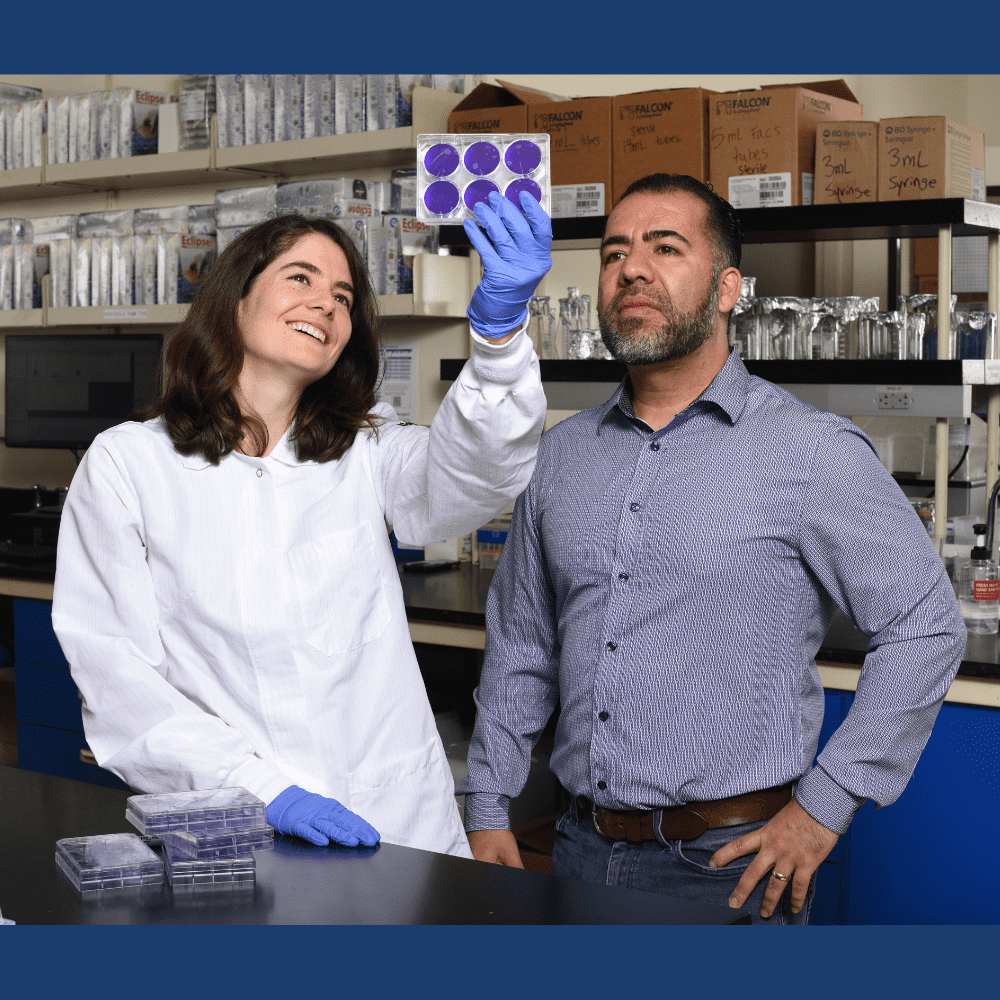
A recent study published in the Journal of Virology by a team from the Department of Molecular Biology and Biochemistry that includes Assistant Professor