
Break a Sweat for Better Memory
There is plenty of research that demonstrates the health benefits of regular exercise, but a team of researchers, led by Neurobiology and Behavior Professor
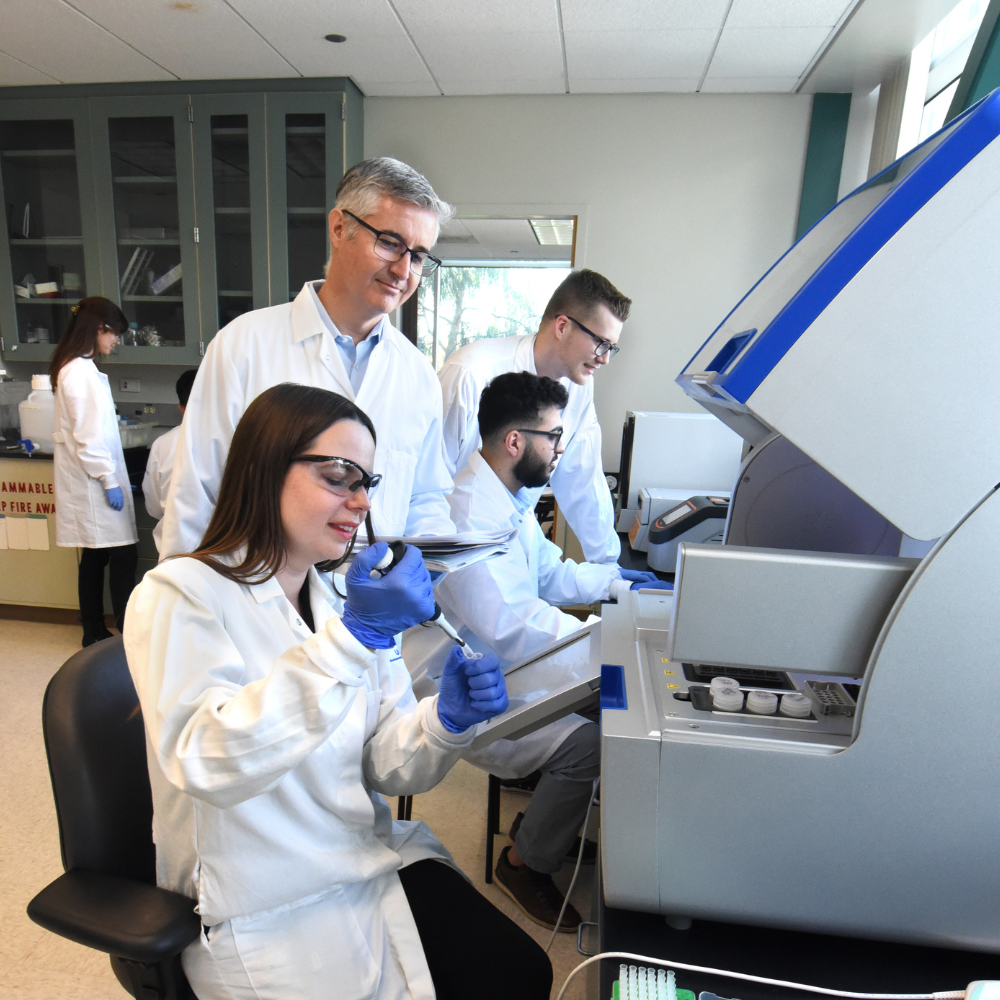
There is plenty of research that demonstrates the health benefits of regular exercise, but a team of researchers, led by Neurobiology and Behavior Professor
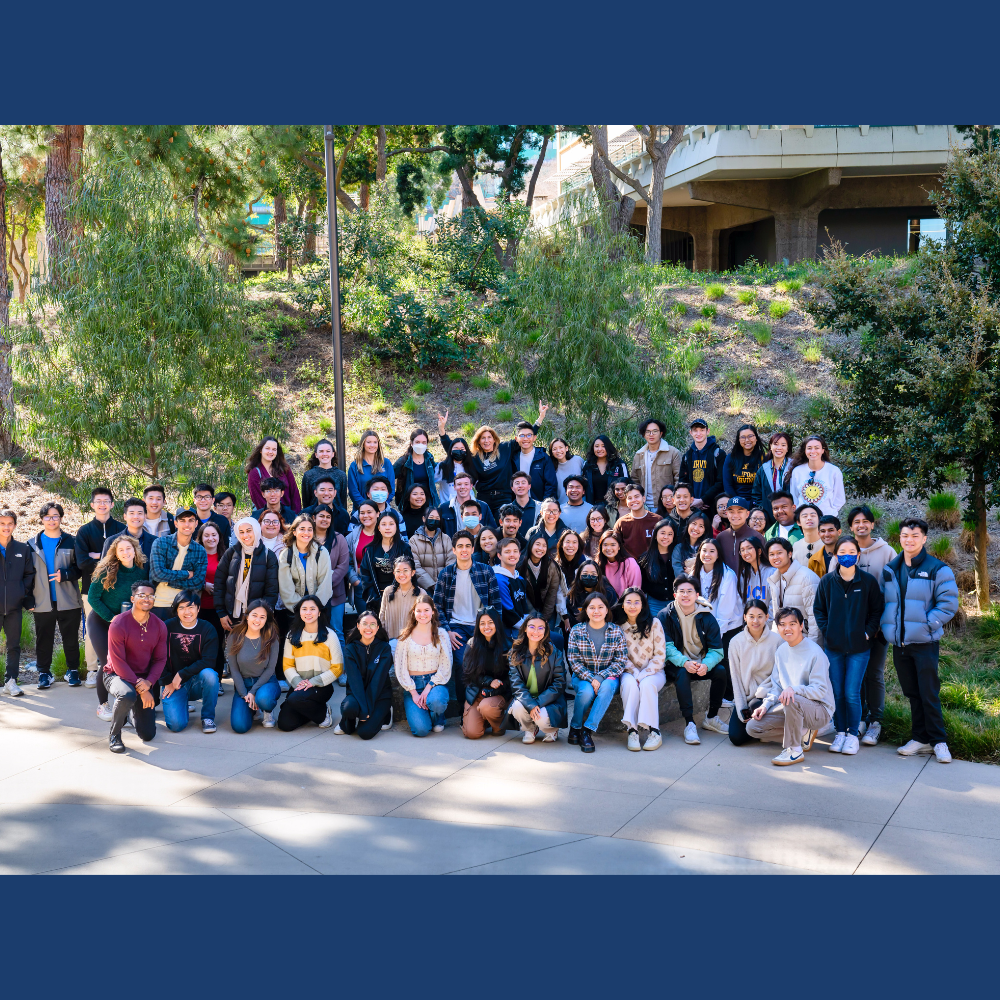
UC Irvine is a popular choice for undergraduates hoping to pursue careers in the medical field. As such, countless students have looked to the

As a child, Molecular Biology and Biochemistry Assistant Professor Dequina Nicholas didn’t understand why her mother jabbed herself with needles and worried about her

The health of California residents, migratory birds and the Salton Sea ecosystem continue to be pushed to the brink as a result of the

UCI is at the forefront of the fight against Alzheimer’s disease, and the recent $47 million grant from the National Institute on Aging (NIA)
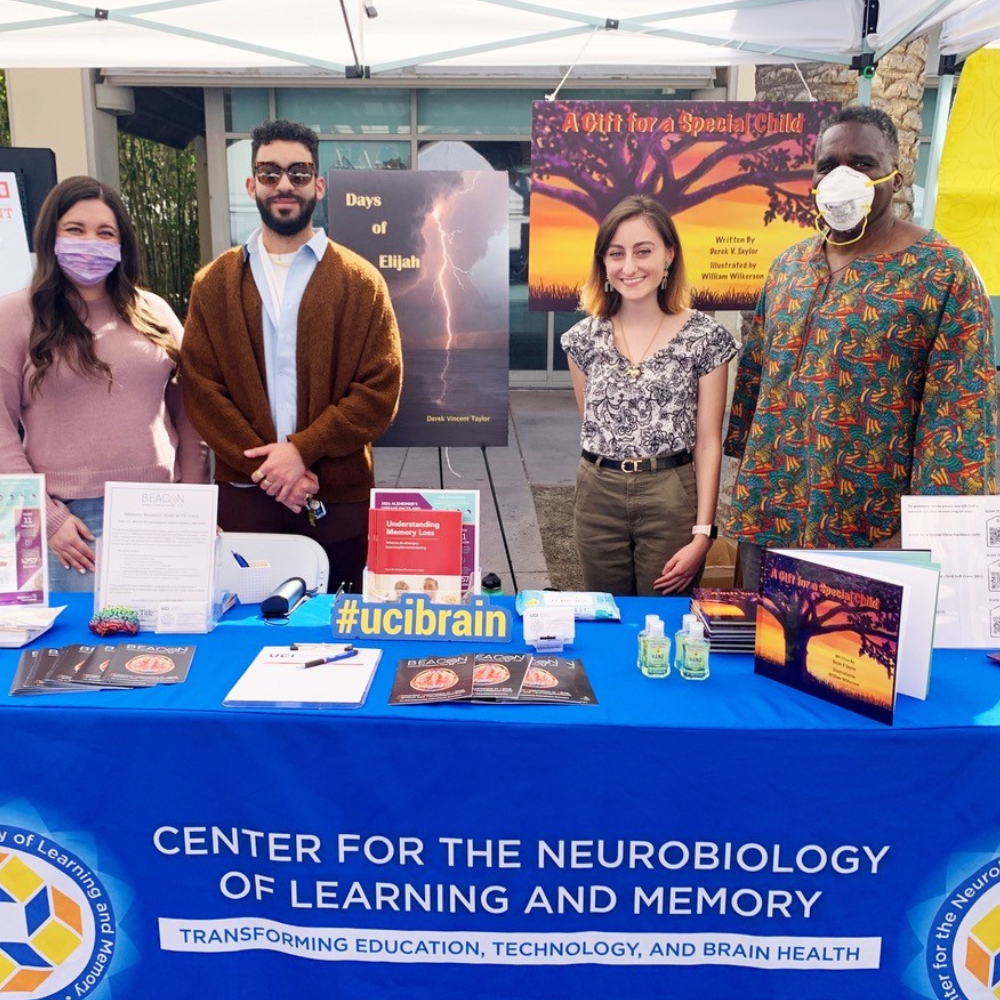
More than 650,000 people aged 65 and older are living with Alzheimer’s disease in California. This number is projected to more than double by
Meet Celine Crooks, a fourth-year student at the UC Irvine Charlie Dunlop School of Biological Sciences, who is pursuing her passion for medicine. Long
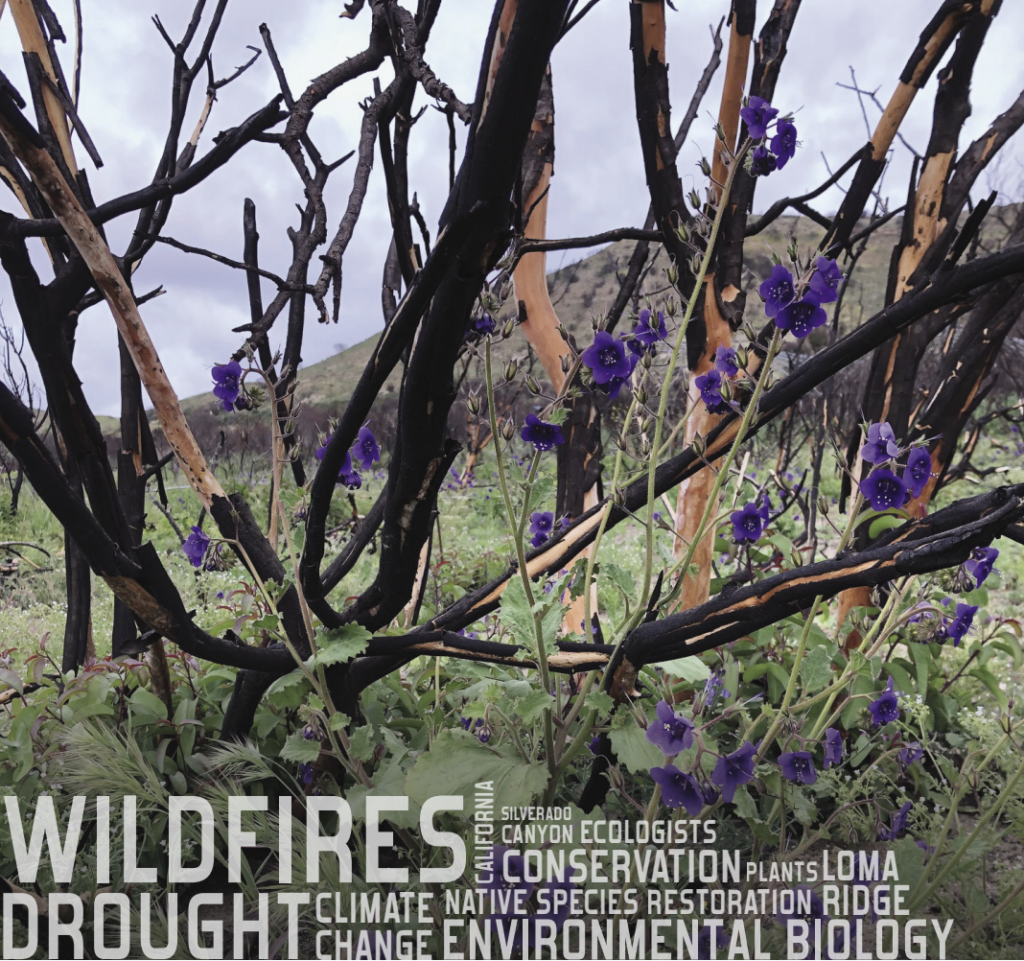
Fires commanded headlines and wreaked destruction across California in
2020. Flames devastated the Silverado Canyon area of Orange County,
where multiple UCI scientists were conducting research. But from the ashes,
UC Irvine Charlie Dunlop School of Biological Sciences experts are already developing vital new
lines of inquiry into land conservation, climate change and more. According
to the California Department of Forestry and Fire Protection, more than
9,900 !res ravaged over 4.2 million acres of California land in 2020.
Dunlop School is home to the Center of Environmental Biology (CEB). Its worldrenowned faculty tackle questions across disciplines, including genomics,
comparative physiology, microbiology and climate change. Dunlop School scientists
have partnered with local institutions such as the Irvine Ranch Conservancy
to conduct conservation and restoration efforts throughout the county,
including Loma Ridge and Bee Canyon.

The year 2020 will be ingrained in the American psyche for decades to come. The emergence of
the SARS-CoV-2 virus, the causal agent of COVID-19, caught the world’s population off guard. With no
previous immunity to the virus, it quickly spread throughout the United States and impacted millions of
American lives. For most of the year, the primary means of slowing the virus’s spread were mitigation
strategies, physical barriers, social distancing and wearing masks. While capable, these methods
have their limits and require continued compliance by most of the population to be highly effective.
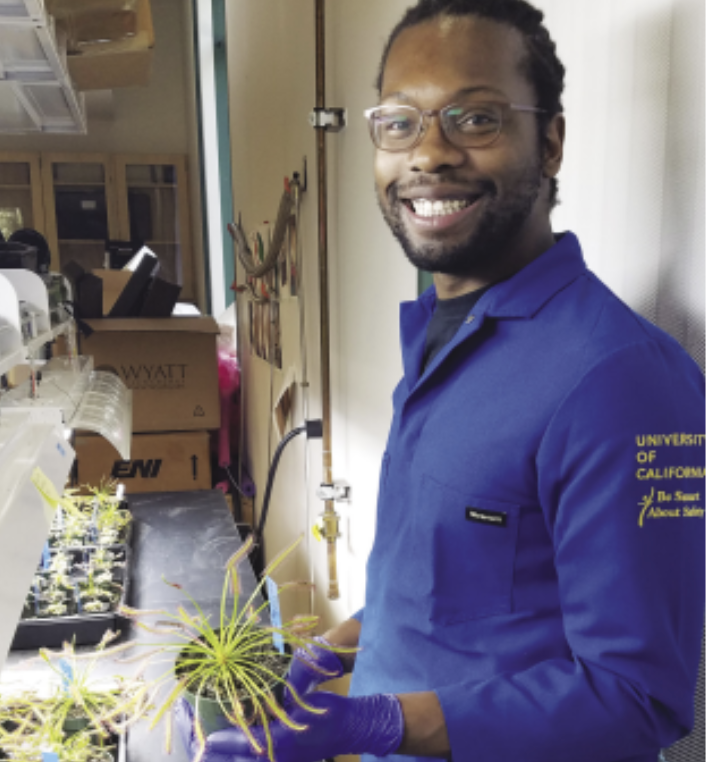
They have a fearsome reputation, but they are contributing to the battle
against COVID-19. Carnivorous plants have inspired a group of UCI scientists
to conduct promising research into treatments for people with the disease.
Their effort began in March 2020 when the pandemic forced UCI scientists to close
their laboratories and halt all but the most critical experiments. “Around the time
that we were thinking of how to shut things down safely, I began to consider how
we could get involved in the !ght against the virus,” said Rachel Martin, professor of
chemistry and molecular biology & biochemistry, who is leading the research team.