
Why Does Our Memory Decline with Age
On February 25, Neurobiology and Behavior Professor Craig Stark discussed his research using sophisticated brain imaging and behavioral techniques to study the effects of
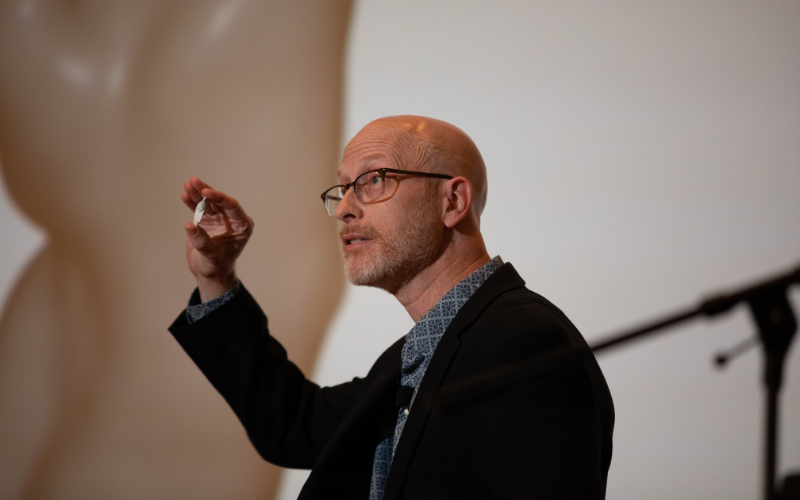
On February 25, Neurobiology and Behavior Professor Craig Stark discussed his research using sophisticated brain imaging and behavioral techniques to study the effects of

At the 2019 Winter Dunlop School Dean’s Distinguished Lecture, Professor Hughes presented data on his quest to create “Body-on-a-Chip” technology, with the hope of ushering in a new age of drug discovery.
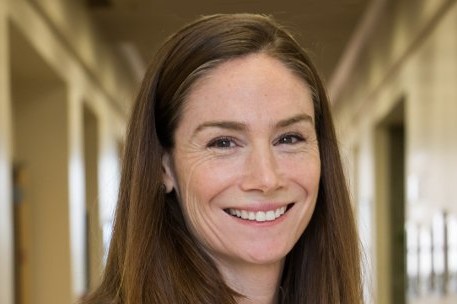
Ecology and Evolutionary Biology Professor Jennifer Martiny’s research aims to determine the mechanisms that govern microbial diversity across environmental and human systems. Microbes such

Congratulations to Teaching Professors Andrea Nicholas, Nancy Aguilar-Roca, and Jessica Pratt, this year’s Excellence in Teaching award winners for the UC Irvine Charlie Dunlop School of Biological Sciences.

When Idaho physician David Shelley, M.D., phoned California businessman Ed Chang, the call brought together two people with more in common than either expected.

At the 2019 Winter Dunlop School Dean’s Distinguished Lecture, Professor Hughes presented data on his quest to create “Body-on-a-Chip” technology, with the hope of ushering in a new age of drug discovery.
The UCI research team is developing the next generation of models that will be used to investigate Alzheimer’s disease drugs, which are urgently needed, as more than 74 million people worldwide could be affected by 2030.

Congratulations to Molecular Biology and Biochemistry Professor Melissa Lodoen, who has been named the 2018 Dolph O. Adams awardee by the Society for Leukocyte

Microorganism communities like bacteria and fungi are complex and diverse and inhabit earth’s many environments, from the human body to oceans and soils. Our bodies contain thousands of bacterial species.
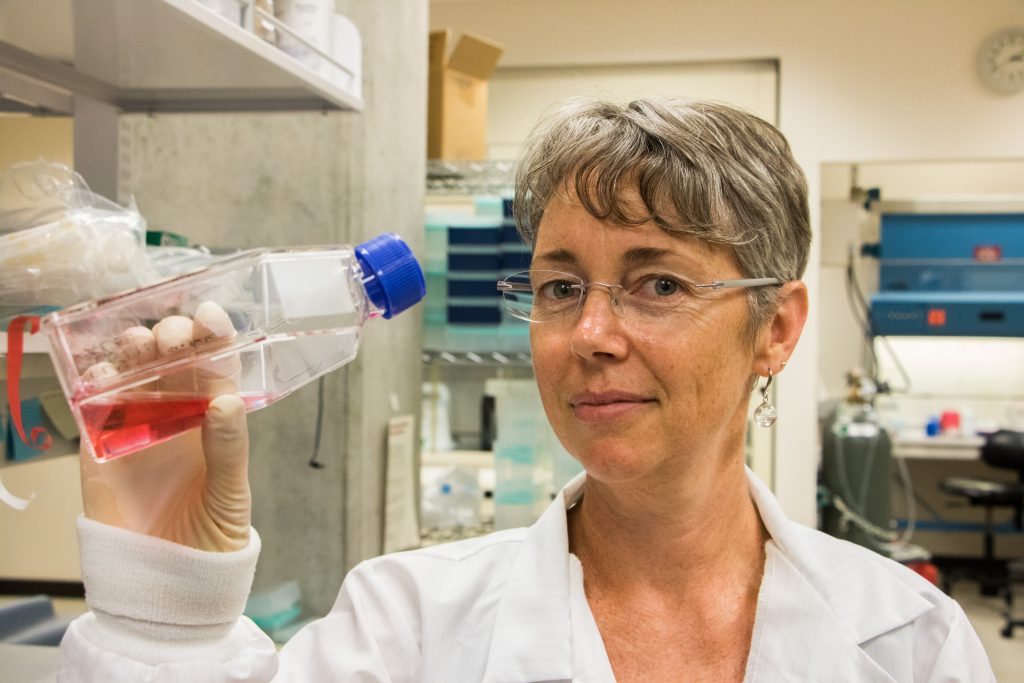
Aimee Edinger Associate Professor Developmental and Cell Biology Successful tumor cells must develop strategies to grow even in the face of famine. Tumors do