
UC Irvine Study Reveals How Damaged Tissue Can Limit Nerve Cell Repair
When a traumatic injury damages the nervous system, understanding what prevents nerve cells from repairing themselves is critical to improving recovery.
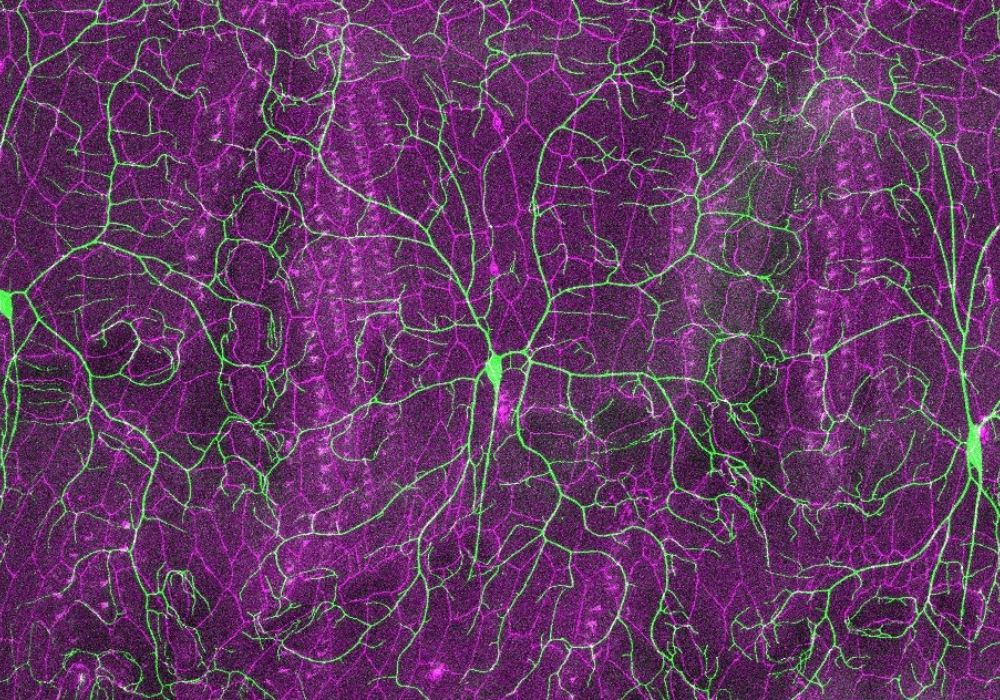
When a traumatic injury damages the nervous system, understanding what prevents nerve cells from repairing themselves is critical to improving recovery.

Study team members UC Irvine Associate Professor Christopher Halbrook, first author and UCI PhD graduate Rima Singh, and collaborator Nina Steele, PhD, of the
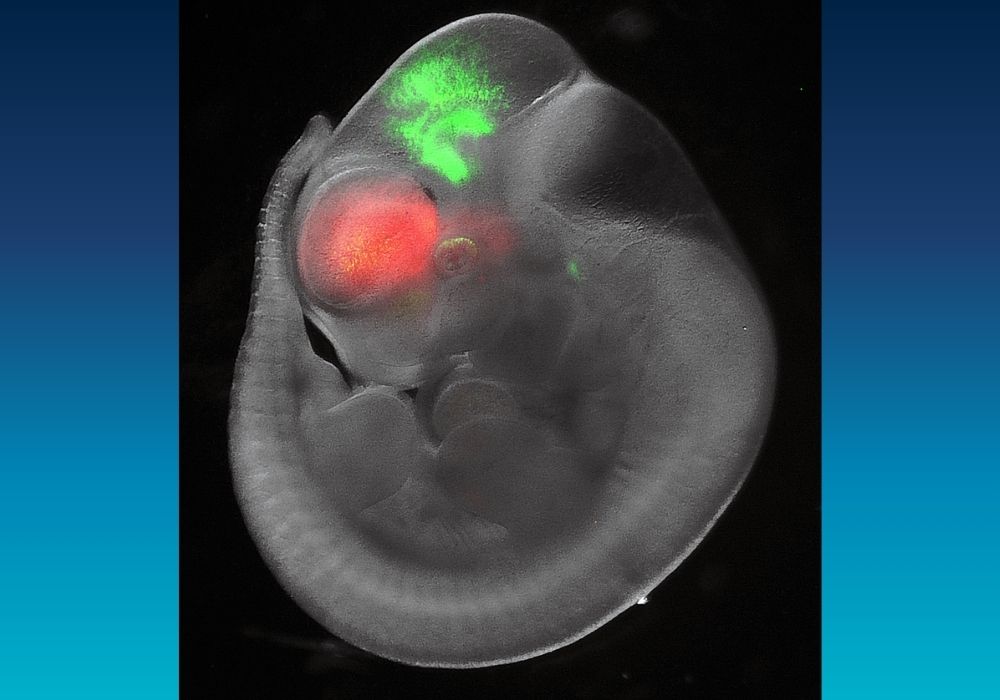
A transgenic mouse embryo in which AI-designed regulatory DNA sequences drive gene expression in the forebrain (red) and in the midbrain (green). Image credit:

Christine Bonadonna sampling invertebrates at a pond near Yosemite National Park. Photo credit: Celia Symons Irvine, Calif., July 14, 2026 — On a summer
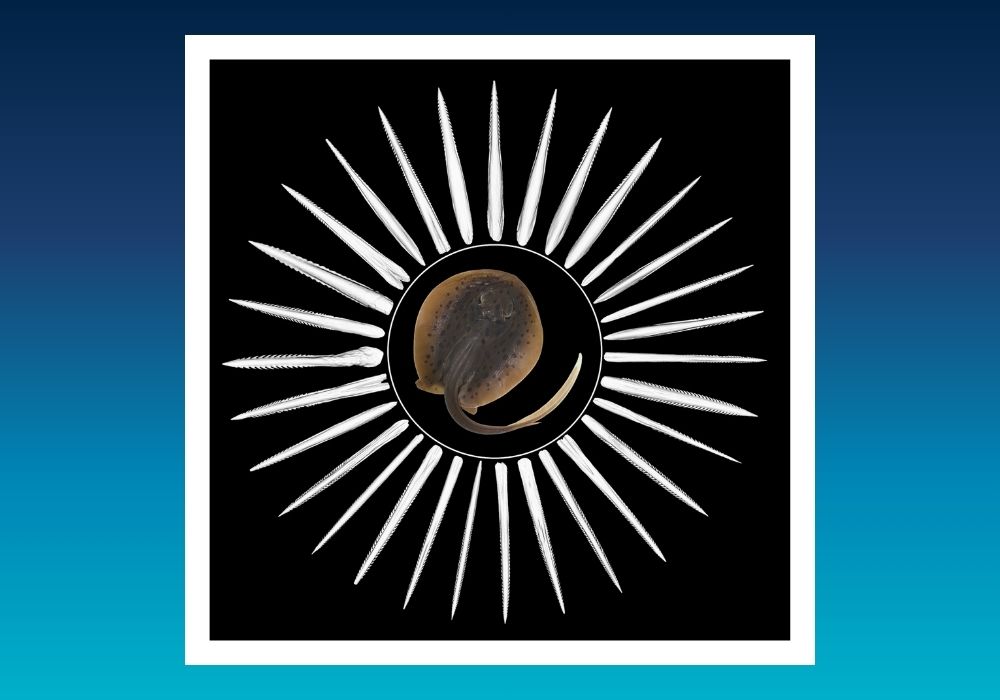
A diversity of stingray defensive spines surrounds a bluespotted ribbontail ray (Taeniura lymma), illustrating variation in spine shape and serration morphology among species. Photo
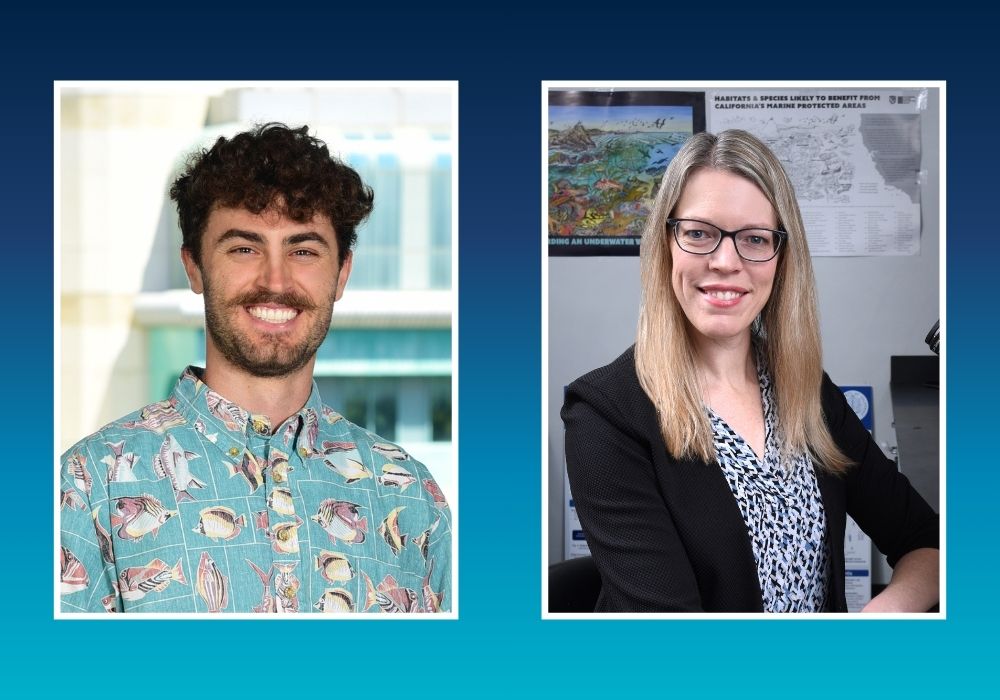
First author Ryan Beshai, left, and Professor Cascade Sorte, right, led a new study that offers a framework for predicting how climate-driven species shifts
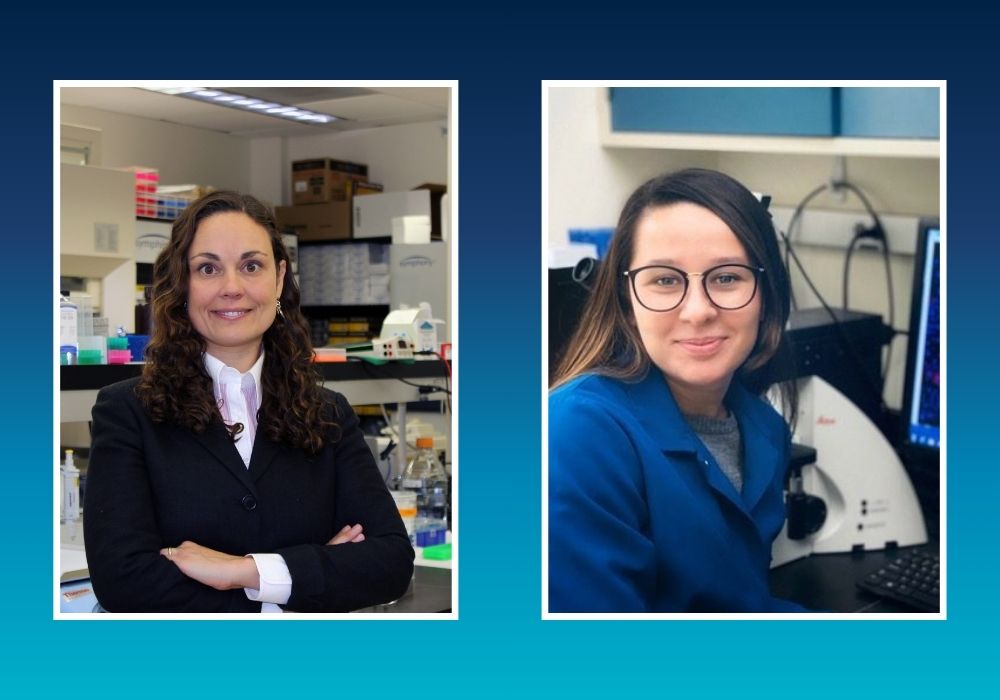
The opioid crisis continues to devastate families and communities across the country, and fentanyl has become one of its deadliest drivers.

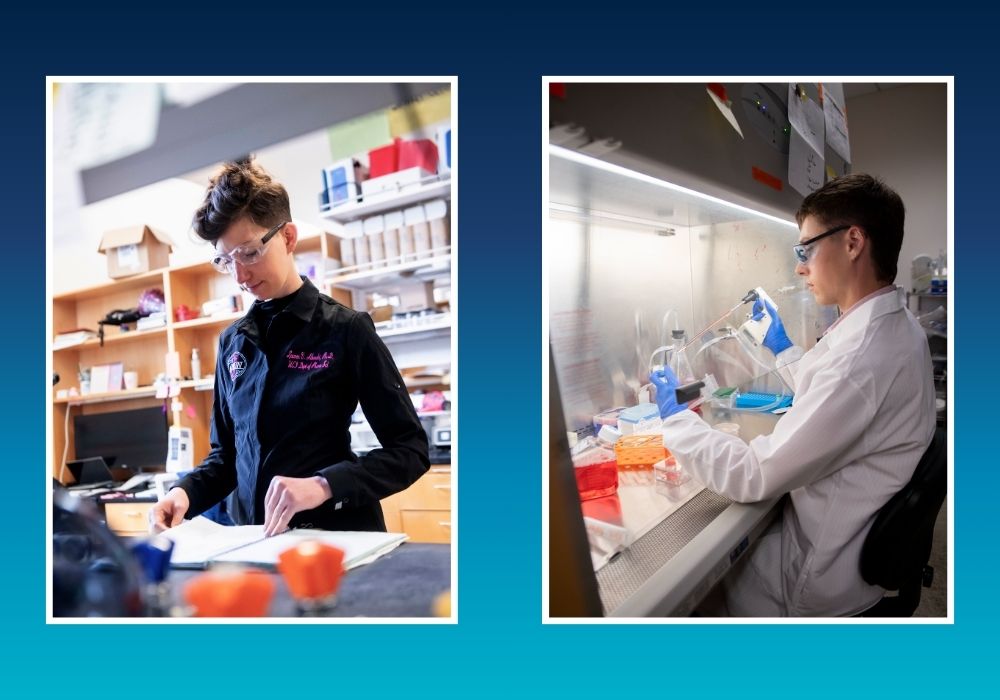
Graduate student Angela Lackner, left, and Assistant Professor Reginald McNulty of the UC Irvine Charlie Dunlop School of Biological Sciences co-authored a new study
Carnivorous plants look like they run on instinct: catch an insect, digest it and absorb nutrients. But for scientists, a core question has remained difficult to answer: how does a plant “know” it has caught prey, and how does it decide which chemical tools to deploy next?
Many of today’s most serious diseases are driven by harmful proteins inside the body. These proteins can fuel cancer, chronic inflammation and neurodegenerative disorders, yet scientists still do not have good ways to target many of them.