

Seeking the Whole Truth
UC Irvine’s Department of Systems Biology explores how life’s interconnected systems lead to healthier people, stronger science and new discoveries.

Events
There are currently no upcoming events.
Newsletters & Publications
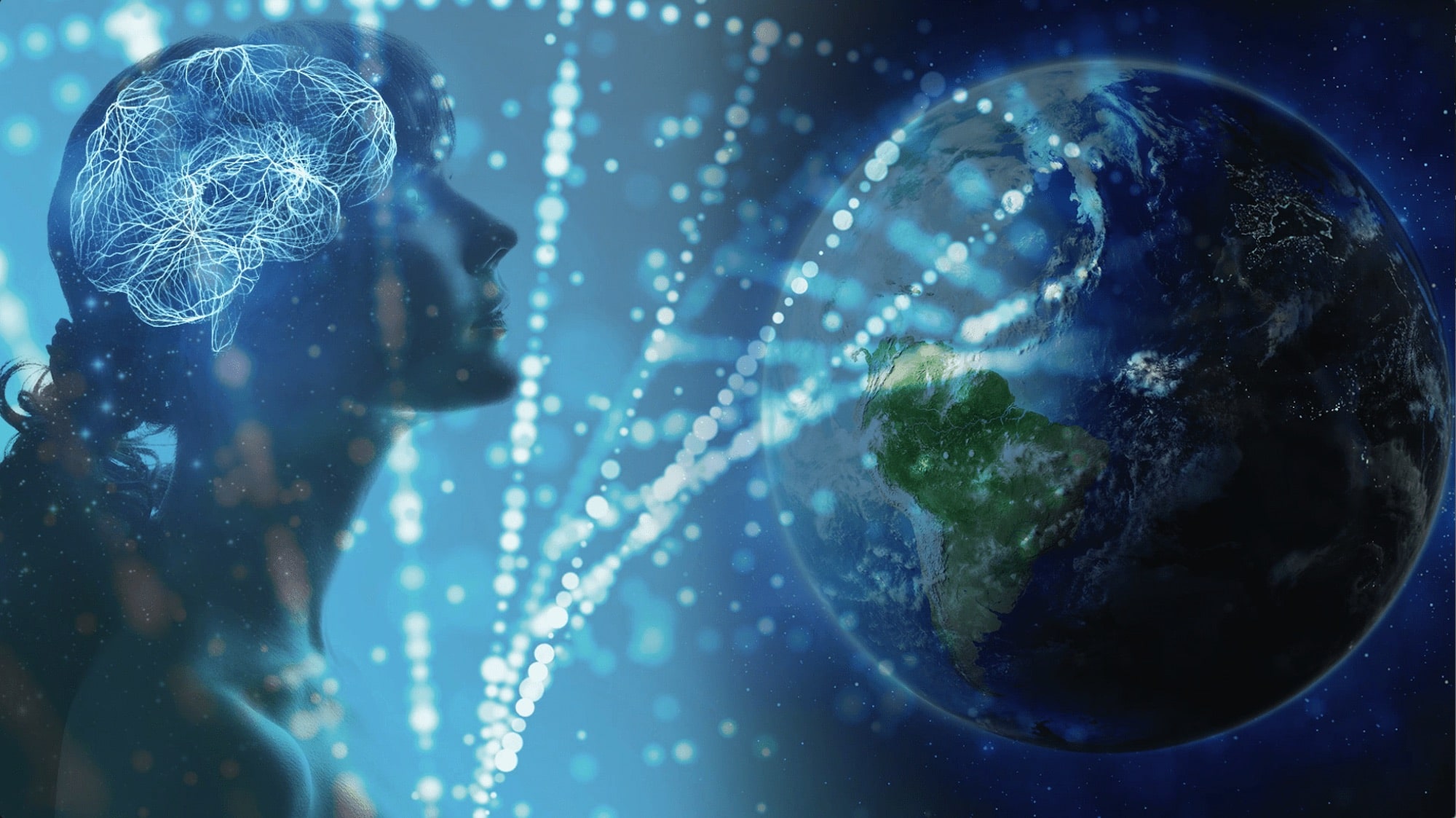
Mind Body World Newsletter
The Dunlop BioSci newsletter MIND | BODY | WORLD is designed to showcase new developments in the school.
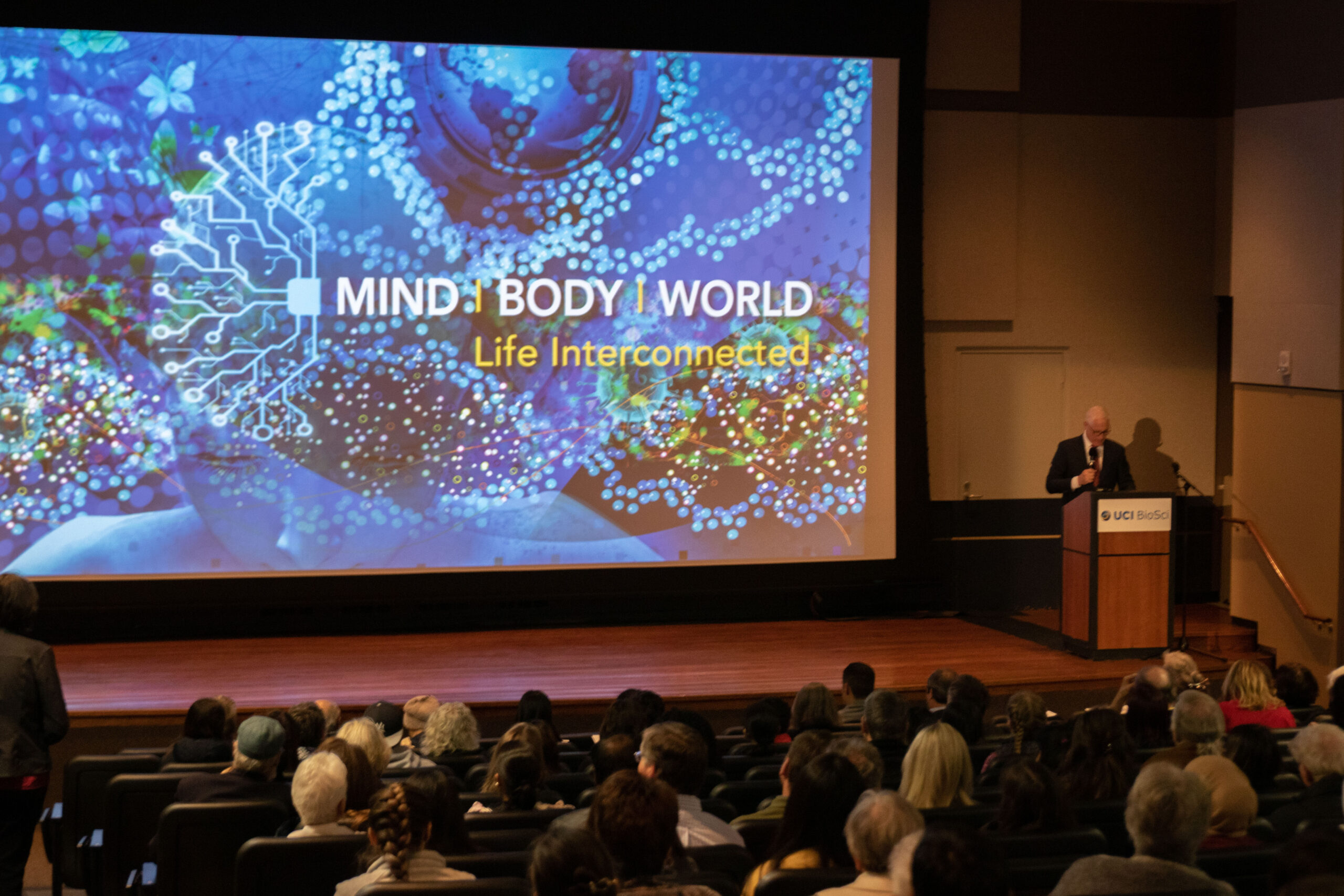
Dean’s Distinguished Lecture
A Dean’s Distinguished Lecture Series with the goal of sharing with the public the important research being conducted at UC Irvine BioSci.